Sustaining a career in documentary

Posted: 19 Aug 2026

Carving out and sustaining a career in documentary making is not an easy or linear path. That’s why the current edition of BAFTA’s Elevate programme has been shining a spotlight on experienced talent working across documentary and specialist factual.

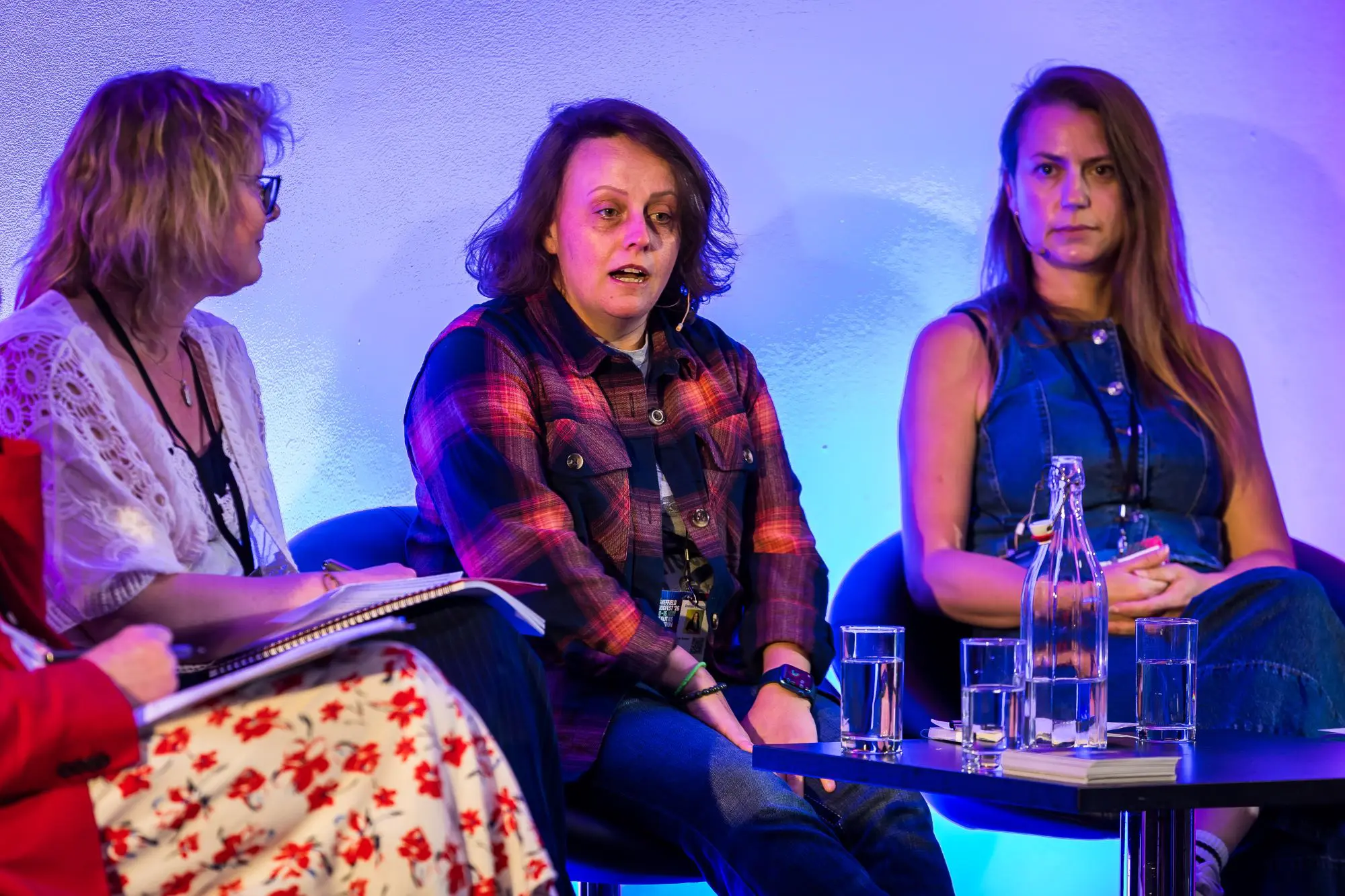
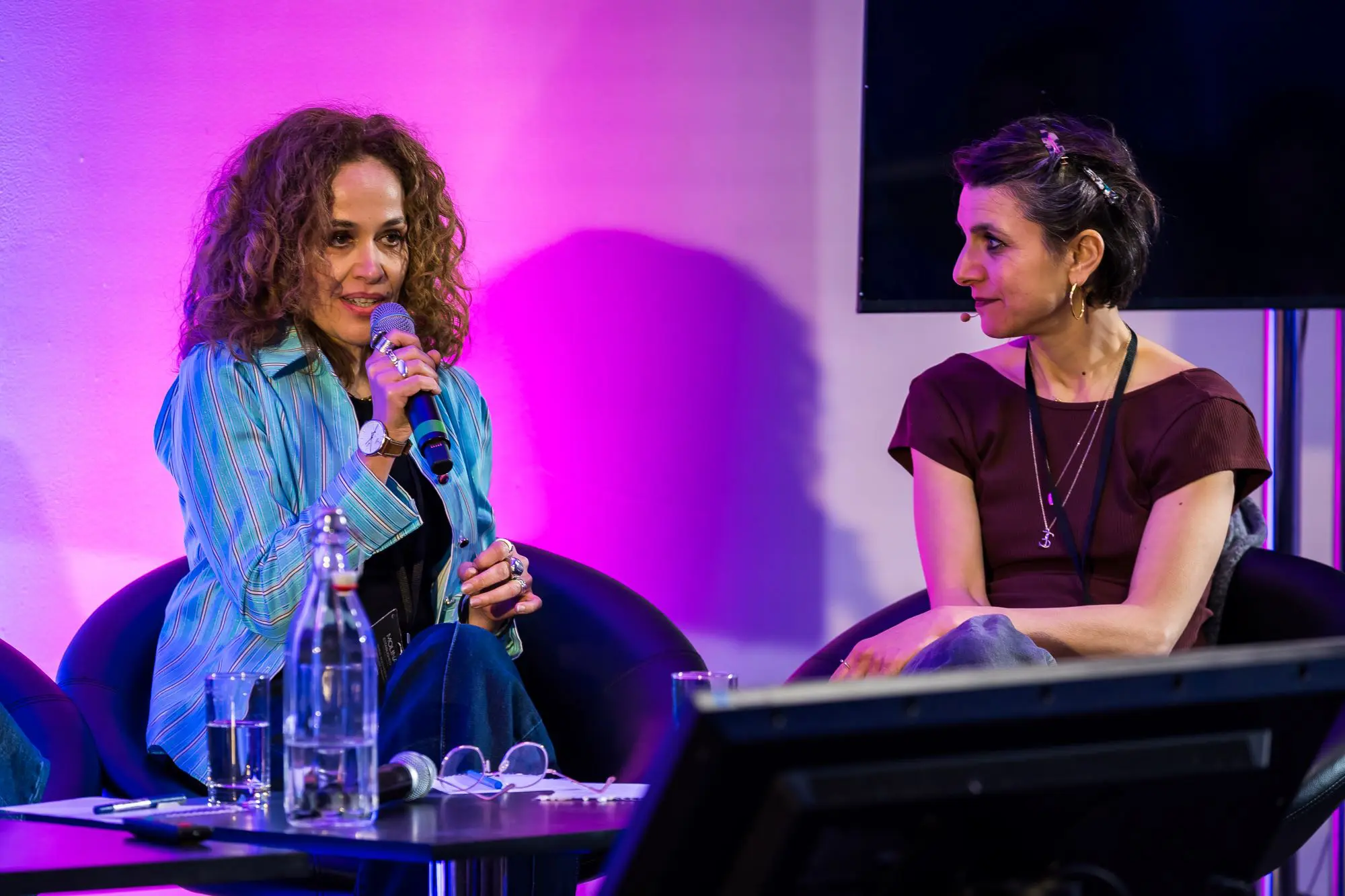
Now, more than 15 months into the programme, five creatives from our 2025/26 cohort came together at this year’s Sheffield DocFest to share what they’ve learned from decades of combined experience in the industry – and their thoughts on what it takes to build and sustain a career today. Here’s what Ayse Toprak, Cara Bowen, Jemma Gander, Margareta Szabo and Stephanie Wessell had to say…
Be prepared for funding challenges

One thing that all five documentary makers agree on is that you have to be prepared for challenges. In particular, they cite fewer funding opportunities for those unattached to big companies, smaller development pots and reduced number of traditional outlets as some of the reason for this.

Ayse Toprak, who has made international feature length documentaries including Mr. Gay Syria, spoke to the changing landscape. She explains: “I think the landscape is changing quite a bit worldwide, and while there are still a few funds, there are less now compared to 10 years ago. There are a few international funds but there’s such big competition for them that it’s almost impossible to get. So, I think it is the case that funding has narrowed across the board.”

However, she also adds that “there’s still a system of co-production between European countries.” She continues with: “That still functions and there is still funding from local governments as well – so once you get a bit of that system going it kind of works. It takes a long time but it’s still there.”

Acknowledging the changing landscape

With an ever-changing landscape to contend with, navigating pathways into documentary can be more challenging than before. The Elevate participants say the industry doesn’t look like when they entered, and routes they took would be far less accessible today.

For experienced series producer and director Stephanie Wessell, whose credits include Kate Garraway’s Life Stories, adapting means recognising how transferable the skills developed through years of programme making can be. She says: “When I first started in the industry, we had fixed term contracts of over a year, we had proper training and we were able to stand on firm ground and learn. That doesn’t happen now and I don’t think it could happen within the current freelance model.”

But, rather than seeing changes as a reason to stand still, Wessell looks at new ways to apply and communicate experience: “With the whole online thing it’s like ok maybe I need to do things in a different way, storytell in a different way, show my skills in a different way… I now have a skills-based CV which I never had before – I had a credits-based CV – and have started approaching other kinds of industries too, with my storytelling skills.”

Adapting is vital

In what all five women describe as a challenging environment to be working in at the moment, the ability to adapt is a vital skill.

Jemma Gander, a self-shooting director and producer whose work includes the Grierson-nominated The Wrong Man: 17 Years Behind Bars, says that she is still passionate about directing documentary films but is now also “wearing several hats.”

She shares: “I’ve actually just produced and presented my first podcast series for BBC Radio 4. It was amazing to return to my journalistic routes. I think when you’re stuck in the TV treadmill for quite some time you just keep going and going because that’s what you do,” adding that sometimes “it’s kind of nice to take a step out and tell a story you’re really passionate about.”

At the end of the day, Gander reflects that she just wants to keep telling stories. She’s “also set up a CIC with Andy’s (who I did a documentary with) lawyer to make advocacy films for people that have come to us… And I’m setting up a content company – [which is] quite joyful.”

Believe in what you’re doing

One thing that was clear in the panel’s reflections of working in documentary is their passion for the work they do and subjects they cover. This carries through in the stories they tell and the important glimpses into other people’s worlds that they offer us.

Margareta Szabo the feature documentary producer behind the trilogy: A Bunch of Amateurs, Still Pushing Pineapples – which opened Sheffield DocFest 2025, and upcoming The Local (2027) highlights the importance of finding your unique voice.

She reflects: “There’s no point in chasing the trend because everyone is chasing it, and ultimately the trend will change. You’ve just got to stick to what you are doing, what you are good at, find your unique voice, and believe in it.” Adding that at the production company she co-founded, Labor of Love Films, keeping it ‘small’ helps them continue their work: “We are trying to keep as much as possible in house, from conception to the very end. Of course, we work with freelancers and other creatives along the way, but most of the time we are a two-person team, and that’s actually why we can flourish.”

Importance of community and support

Something that came through loud and clear was that support – and the power it has to keep these producers going – has a vital role to play. From family support to online peer groups, to programmes like BAFTA Elevate – having a community to turn to when things are good and bad is key.

Cara Bowen, shooting producer-director, who has trained over 70 women in the camera department, says “the only way we survive this industry is to keep on going,” and “having a good support system” is a big factor.

Bowen adds: “If you get knocked back, you get back up and you go again. Every job that you know – however long or short it is – is usually pretty challenging and we wear many hats and have different responsibilities. You know you get pulled in all sorts of different directions, so if you can’t do that, I’d imagine it would be really hard to survive in this industry. It helps having a supportive home life, which perhaps not everyone has, so I know I’m very lucky to have a very supportive partner and family – it does make it easier for you to do the job that you love.”

Keeping talent moving forward

Being adaptable, building strong networks and finding new ways to tell stories can all help creatives navigate a changing industry. But the panel also highlighted that sustaining a career shouldn’t be down to individuals alone. Even for experienced talent like those on BAFTA Elevate, finding consistent opportunities to keep working can be a challenge.

Their experiences also show the role the wider industry can play in helping creatives keep moving forward – by creating opportunities, building connections and continuing to support them as their careers develop.

What is BAFTA Elevate?

BAFTA Elevate is a career development programme supporting mid-to-senior level creatives across film and television. Through industry connections, mentoring and tailored professional development opportunities, the programme helps participants expand their networks, increase their visibility and take the next step in their careers.

Find out more about the BAFTA Elevate 2025/26 cohort.