Elevate cohort insights from Edinburgh TV Festival

Posted: 11 Sep 2026

The creative industries are always evolving and adapting. That’s why events that bring together those working within it, like Edinburgh TV Festival, and programmes that support individual talent in the sector, like BAFTA Elevate supported by dunhill, are vital.

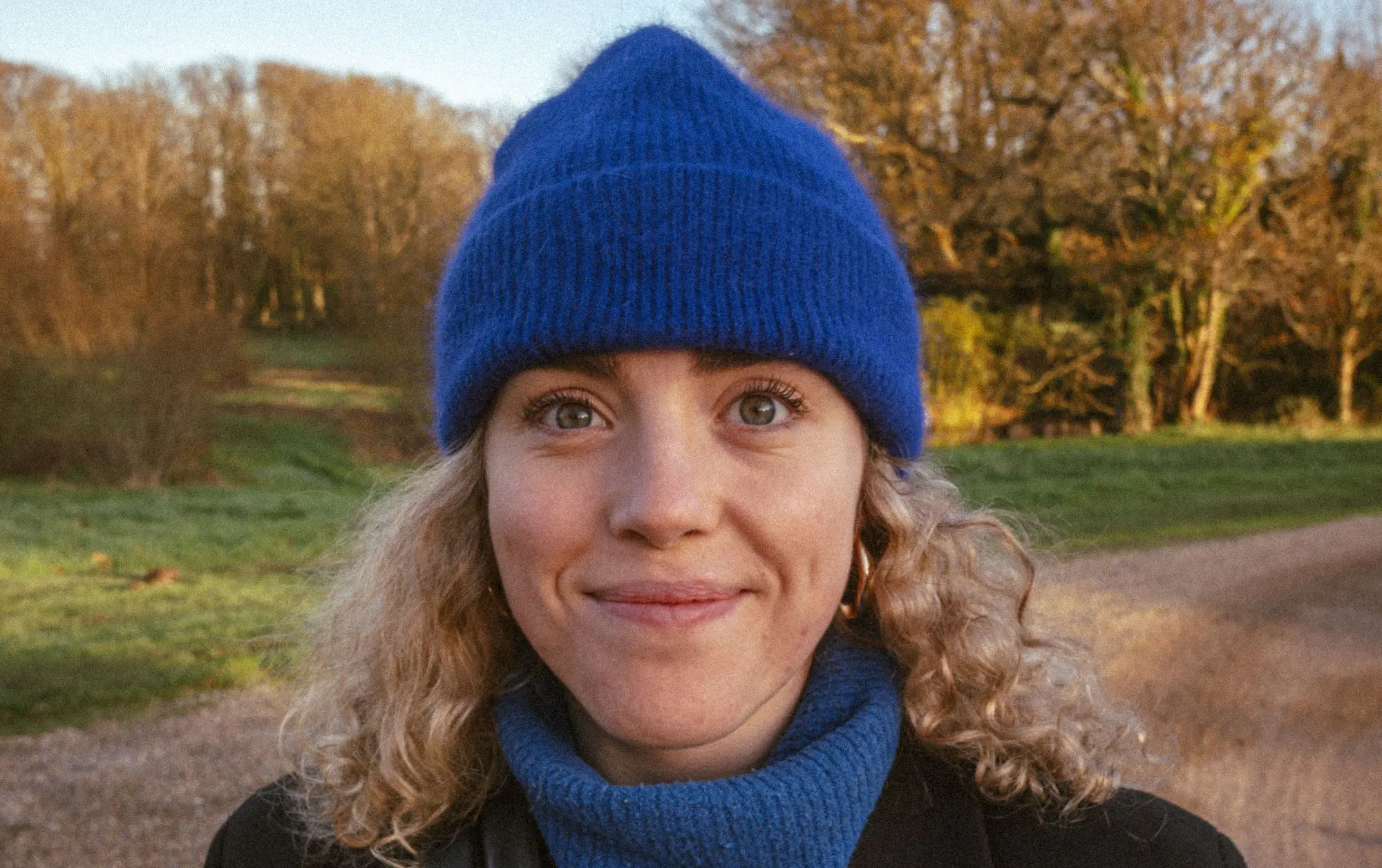
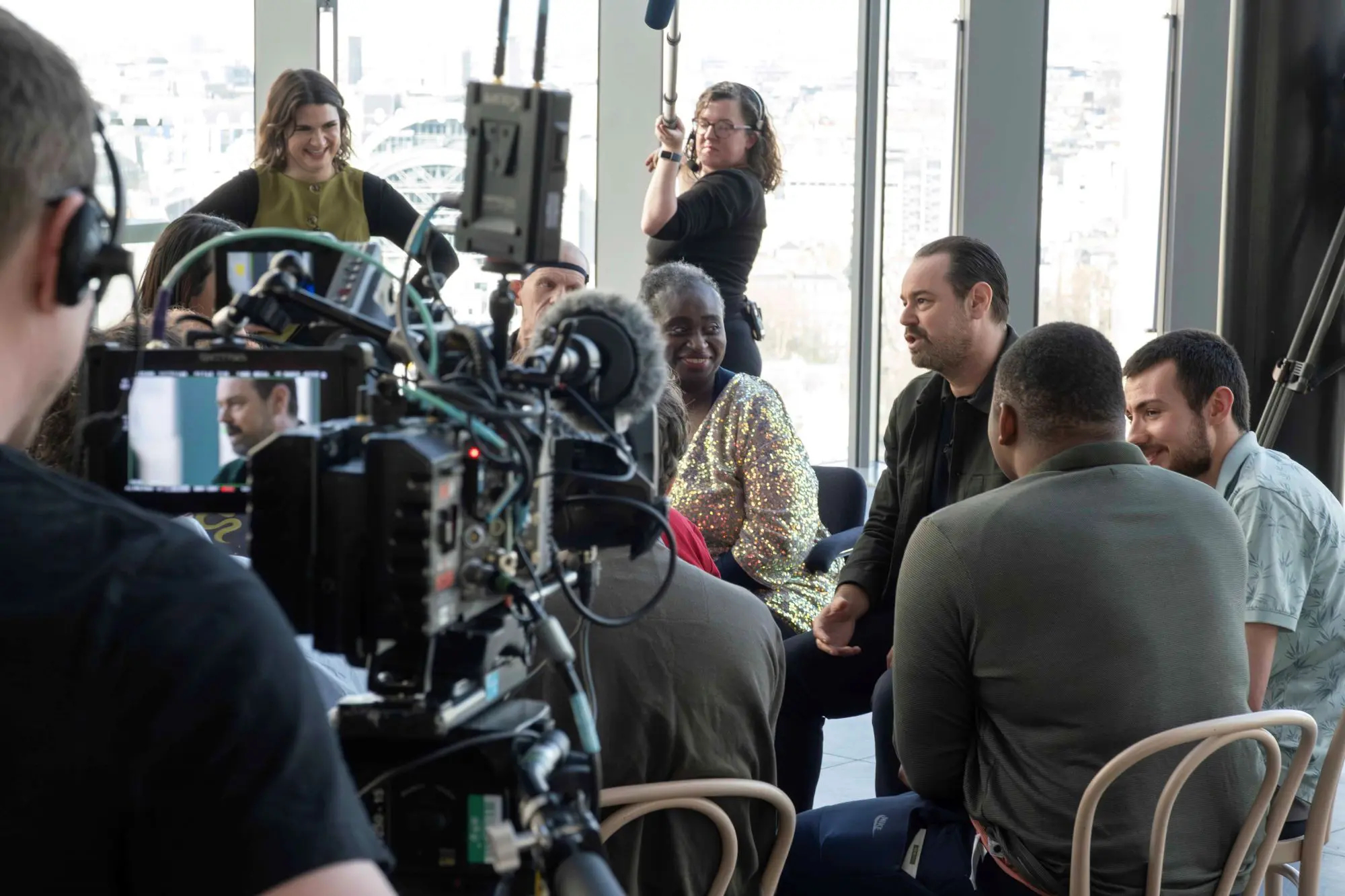
So, as the festival prepares to move to a new home next year, and as our current Elevate cohort of documentary and specialist factual professionals come towards the end of their two-year support programme, we brought them together. Eight of the current BAFTA Elevate cohort attended the event to find out what’s ahead for the TV industry, and here three of them; Sarah Conner, Janette Hodds, and Eddie Hutton-Mills share their reflections…

TV’s changing ecosystem

Janette Hodds, a senior casting, welfare and development producer whose projects include World’s Most Notorious Killers, sums up her big takeaway from Edinburgh as “fewer, bigger, better.”

She says: “Bigger budgets and shifting viewing habits mean broadcasters and streamers are backing high-impact event television over volume, and the middle tier of programming is quietly disappearing.

“The creator economy amplified all of this, with Pedro Pina’s MacTaggart arguing YouTube is not the villain, and the room’s scepticism told you exactly where the anxiety sits. Between that and the debates about “who really holds the power,” it was hard to miss the message: the traditional broadcaster route is a narrower one and audiences are to be found increasingly somewhere other than a linear slot. My honest view is we can’t treat digital as a poor relation to a channel commission anymore. The opportunity is in bold, distinctive IP with global appeal, developed with co-production and international partners in mind from day one.”

Similarly, Sarah Conner, an experienced producer-director whose credits include the just wrapped Blue Planet III: Polar Waters, reflects that the message she took away was “‘television’ is becoming a much broader ecosystem.”

She says: “With fewer linear commissions, future opportunities will increasingly span YouTube, social-first programmes, visualised podcasts, branded entertainment and other emerging formats alongside broadcast and streaming. The BBC’s increasing focus on YouTube and Nutopia’s launch of digital-first studio Youtopia showed established organisations are already embracing this change. The opportunity is not simply to make shorter or cheaper versions of television, but to understand the distinct creative language of each platform, earlier hooks, audience retention, authenticity, community and direct feedback.

“For professionals, adaptability will be essential. However, the most exciting future will combine the platform knowledge of digitally native creators with the storytelling craft, editorial judgement and production expertise of experienced programme-makers. Creating opportunities for those different skills and perspectives to come together could help shape a stronger and more inclusive industry.”

And Eddie Hutton-Mills, a producer-director whose work includes Kanaval: A People’s History of Haiti in Six Chapters says he left the festival with the sense that “the industry is undoubtedly still in a difficult place, but…the opportunities haven’t disappeared, they’re changing shape.”

He says: “Almost every conversation touched on digital, whether that was YouTube, building audiences differently or creating content that can live beyond traditional broadcast. At the same time, IP and recognisable propositions are becoming increasingly important, particularly as commissioners become more cautious about risk. What encouraged me was hearing that broadcasters including the BBC and Channel 5 still want distinctive ideas and are prepared to take creative risks when the proposition is strong. For filmmakers and producers, I think the challenge now is to be more entrepreneurial: collaboration, co-production, international partnerships and alternative sources of finance will increasingly sit alongside the traditional commissioning model. The opportunity is to think beyond simply asking, “Who will commission this?” and towards, “How can we make this happen?”

The impact on true crime and factual

And as passionate storytellers working in true crime and factual programming, how do Conner, Hutton-Mills and Hodds think they may be impacted by these changes?

Conner says: “Edinburgh encouraged me to think more broadly about how documentary and specialist factual stories can reach audiences… I know that natural history can involve long timelines, remote locations and specialist filming, so it cannot always fit a fast, low-budget model. However, our sector is already adapting through local crews, remote directing of shoots, new technology and footage captured by scientists or communities.

“The fundamental skills remain highly transferable, finding a compelling hook, building trust with contributors, making complex science accessible and sustaining an audience’s attention… I hope this next phase brings experienced factual programme-makers together with digitally native talent. We may have different starting points, but our complementary skills can help documentary and specialist factual continue to evolve.”

Hutton-Mills agrees, saying: “For me, it means thinking differently about what it is to originate a documentary. I still want to make ambitious, authored films, but Edinburgh reinforced that developing the idea is now only part of the job. We need to think earlier about audience, access, IP, financing and potential partners, and about where a story might live across broadcast, streaming and digital. As a director and self-shooting producer director, it’s about finding a way into these digital platforms, with suppliers who match my skills, and creative ambition, but ultimately it is still a scary and difficult time for people in my position. The documentary market is very challenging, but I came away feeling that adaptability and collaboration, without sacrificing ambition or authorship, are going to be increasingly important.”

And Hodds says: “Specialist factual and true crime already travel well internationally and lend themselves to the formats audiences are actually watching, long-form, serialised and increasingly consumed off-schedule. But the bar has been raised with this shift; commissioners want projects that provide scale, deep access, or a truly distinctive signature that can stand out in a crowded market. For me, that means embracing narrative ambition. Development needs to be pre-production, treating factual subjects with the pacing and stakes you’d expect from high-end drama, and building co-production and international distribution into the plan from day one, which is how I approach a project already. It makes development more competitive, but it also elevates the genre and pushes us to find extraordinary, untold human stories.”

What is BAFTA Elevate?

BAFTA Elevate, supported by dunhill, with additional support from Banijay UK and Harbottle & Lewis, is a career development programme supporting mid-to-senior level creatives across film and television. Through industry connections, mentoring and tailored professional development opportunities, the programme helps participants expand their networks, increase their visibility and take the next step in their careers.

Find out more about the BAFTA Elevate 2025/26 cohort.