Creating opportunities for emerging talent

Posted: 8 Sep 2026

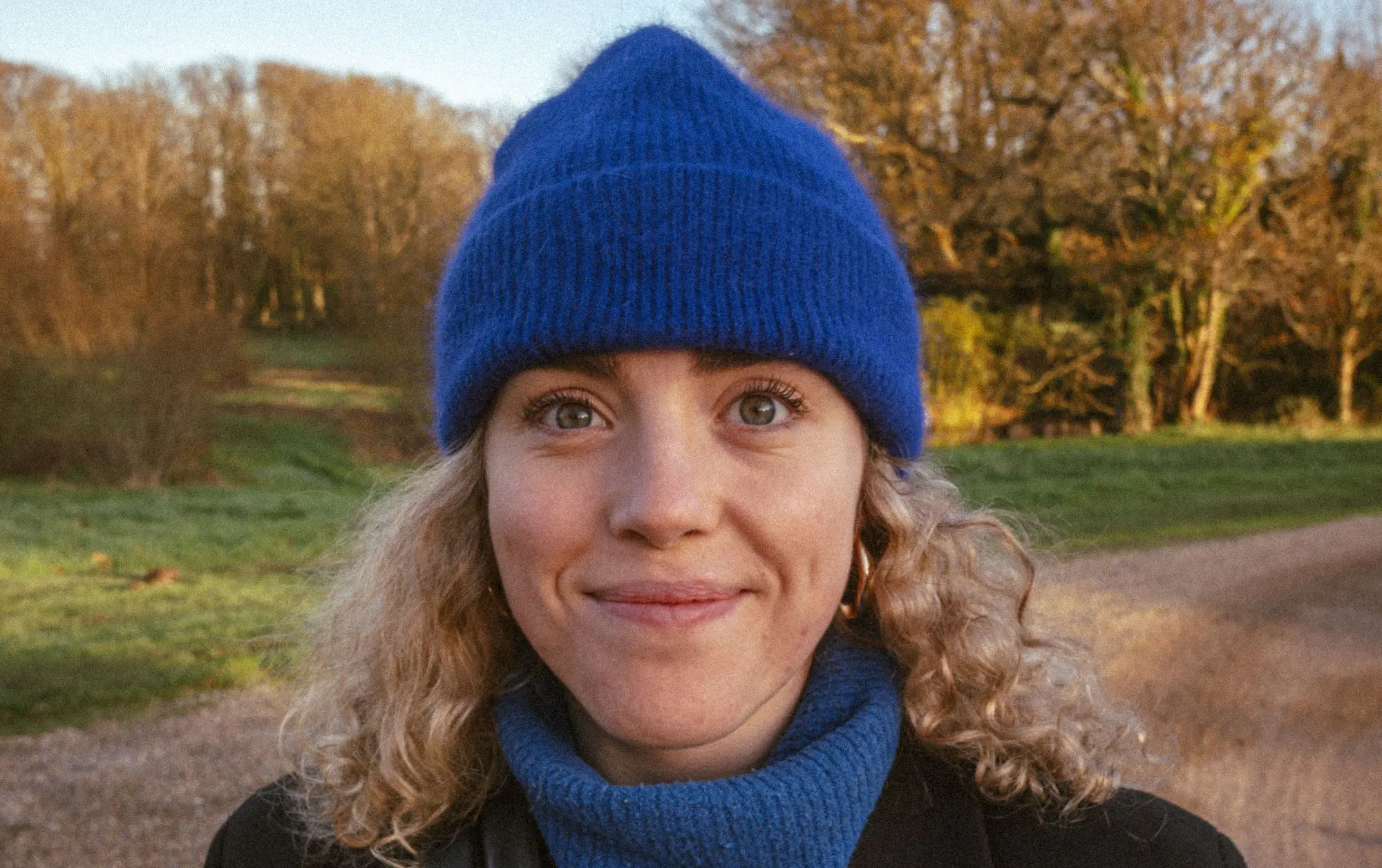
Getting those first opportunities in Film and Television are vital, but they can be hard to come by. That’s why schemes which support emerging talent and champion new voices are essential. One person who knows this all too well is Prince William BAFTA Bursary scholar Sarah Louise Madden, who describes receiving her scholarship as a real turning point.

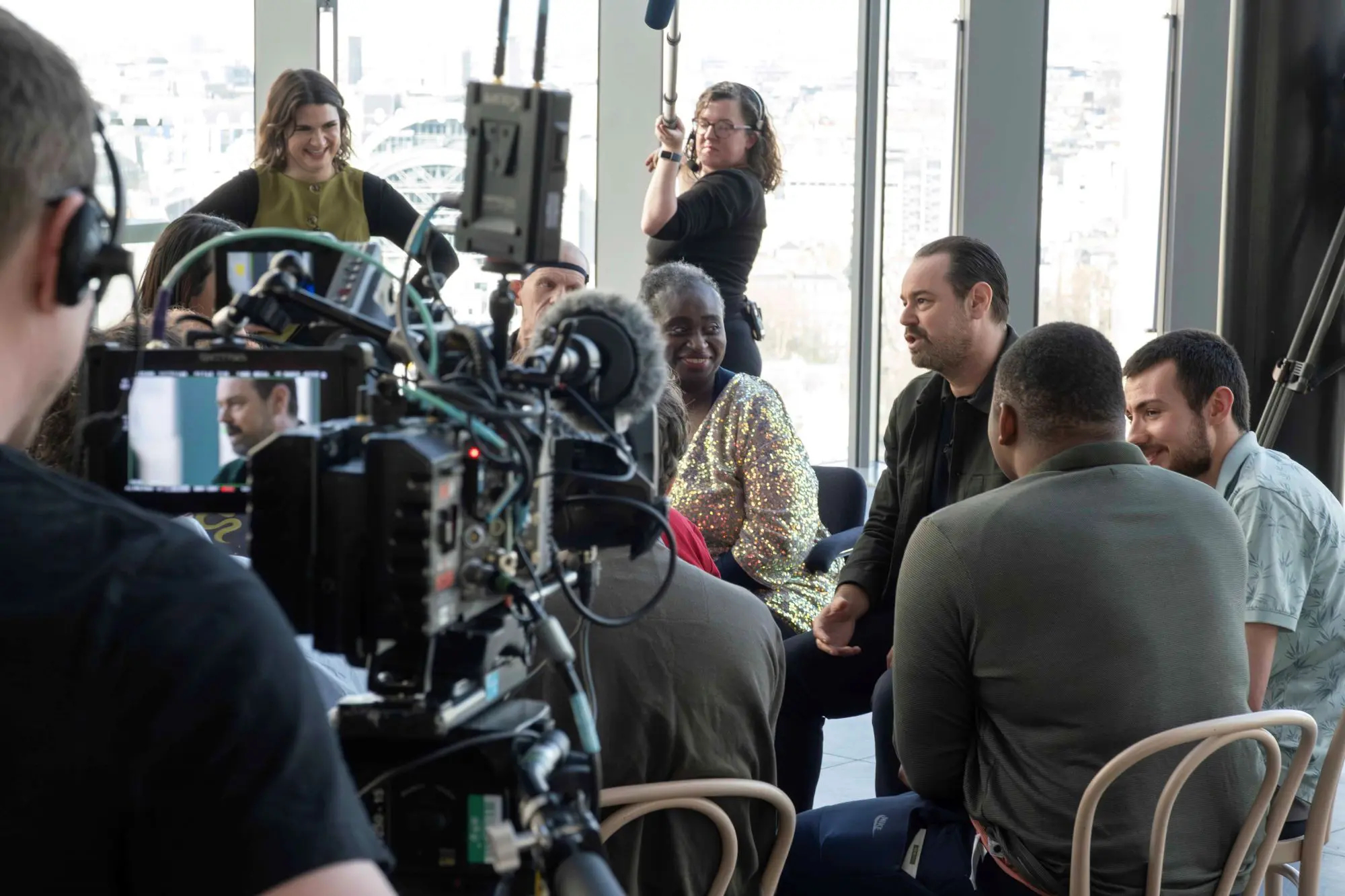
Speaking at a screening of her new Play for Today episode at BAFTA 195 Piccadilly, Madden said: “I wouldn’t be here without it [the BAFTA scholarship], there’s just no way. It’s very surreal and mad… a few years ago I was meeting Prince William and stressing about how to curtsey, because you don’t learn that in a council estate funnily enough, and now I’m here and it’s insane.”

Here, Madden, whose episode of the Channel 5 revived television format giving young writers, actors and producers from lower-income backgrounds a supported way into TV, shares her thoughts about breaking into the industry. As do fellow writers, directors and actors involved in the anthology project…

Have confidence in your voice

Talking about how she started out on her writing journey Madden points to how important it has been to find confidence in her own voice, something she was able to do when undertaking a masters in Screenwriting at the National Film and Television School (NTS).

She says: “It’s a full time course 10am-5pm everyday. You’re working with brilliant shooters across TV and Film, you’re working on short films, on collaboration, on very tight deadlines which put me in good stead for Play for Today I think. But the massive part of it is that you’re taught to have confidence in your voice, which when you’re not from this world is really hard to get.”

Grasp opportunities

Pursuing available opportunities is something Madden cites as helping her get to the point where she was able to write Play for Today episode The Quiet Hour. She says: “The course is £15,000 a year, so it’s a lot, and I was on £24,000 there is just simply no way I could do it… the BAFTA Scholarship gave me an opportunity to actually go for my dream.”

The writer adds: “I understand that TV is risk adverse but recent statistics show that like 8% of the film and tv industry are from working class backgrounds… Play for Today is amazing at representing and platforming marginalised voices, working class voices, they’re actually changing the tv landscape now. Like you’ve got a show here where we’re [the writer and director] both council house, both women, and we’ve got a female lead – working class again. I defy you to find another programme that has all of that, you just wouldn’t get it.”

Similarly, fellow writer Jack Bradfield, who created another Play for Today episode called The Castle, says schemes that support emerging talent are hugely important. He says: “What I think really marks this out, and having been through various development processes, is it’s happening. You start and you know it’s going to shoot and you know it’s going to be on television and that’s totally different from every other artist scheme.

“What that does is it makes you look at it with incredible detail and really push yourself to make it as good as possible. It is going to air and people are going to watch it and so there’s a different attitude to the whole thing and you learn thousands of times more because you see a project right from the start to the finish. So as a writer, this is my first television credit, what I’ve learnt taking forward has been really immeasurable.”

Create space for new talent

The importance of creating space for new talent is something everyone involved in both The Quiet Hour and The Castle agree on.

Actress Archie Panjabi, who stars in The Quiet Hour, says she dreamed of acting since she was born but didn’t get her first job until her 20s and her big break in her late 30’s. She says: “Something like Play for Today is so great. They’re giving people who don’t have the resources, who don’t have the connections to break into the industry and I really hope for all of them that they don’t have to wait as long as I did to get my big break.”

While Emma Turner, who returned to work on The Castle, after having had her first directing job on the previous series of Play for Today reflects: “I’ll still keep learning, and developing, and getting better for the rest of my career of course but I think now having these two [programmes to show people] is great. The reality is not everyone is in a position to fund a short film or take a month off a paid job to shadow a director and then all of a sudden have made or directed a TV show. That’s something I can actually show people for the first time, I’ve got something to say, ‘this is what I can do, this is what I am capable of, this is a real TV show going on TV.’”

What is the Prince William BAFTA Bursary?

The Prince William BAFTA Bursary offers up to £12,000 in financial support to help assist junior creatives with the costs of progressing their career in film, games and television. It’s a fund that offers talented individuals the chance to apply for help to cover a specific cost. And it could be the difference between being able to take part in an activity, or make a purchase, that will help further their film, games or TV career.