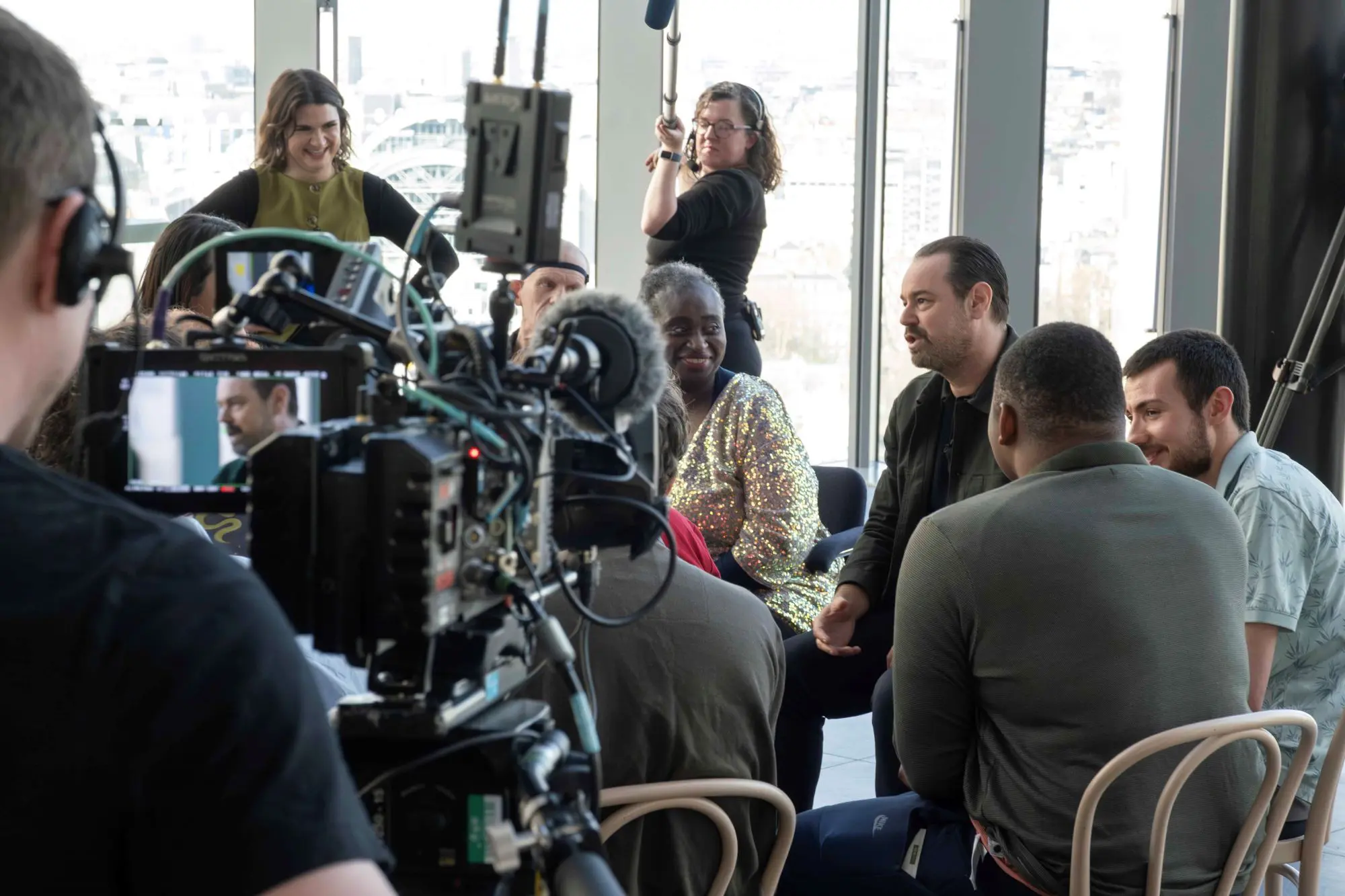
Talking about Makeup and Hair: BAFTA Sessions 2016

Posted: 7 Mar 2016

Love styling hair or experimenting with makeup? Makeup and hair are an important part of film production. Their responsibilities can range from applying gruesome prosthetic scars, to blending glamorous period looks or crafting a completely outlandish transformation. They help actors to convincingly inhibit their role and convey how characters change and grow throughout the film.

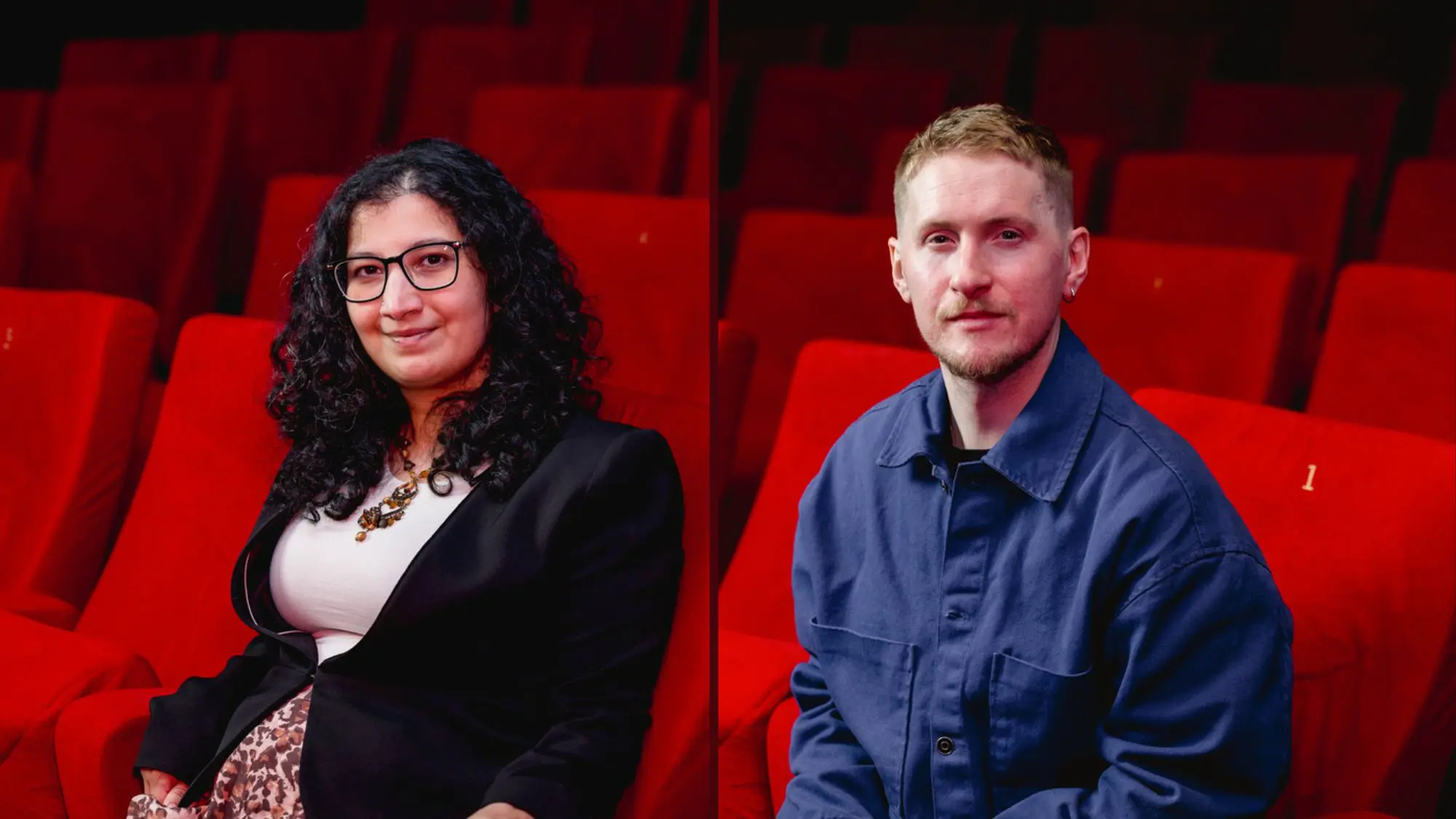
Here Sian Grigg and Robert Pandini (The Revenant), Jan Sewell (The Danish Girl), Morna Ferguson and Lorraine Glynn (Brooklyn) and Morag Ross (Carol) discuss how they plan their looks, the importance of prioritising safety on a film set and how they use makeup to demonstrate a character’s youth and confidence…
READ THE SCRIPT

Want to know where makeup artists start when planning their work on a film? For Pandini it all begins with the script. He says: “You read the script, you see which characters are playing and what they go through to get to certain scenes and accordingly so every character will have his own look or particular evolution of a particular look to a particular scene. Of course it all changes throughout the filming of it… reading the script, breaking down the characters, scenes and progression.”

SAFETY FIRST

Ever wondered if filming in harsh conditions can affect the makeup applied? Grigg reveals that when filming The Revenant, “our Pros-Aide kept freezing and we had to take certain products with us home at night to make sure they didn’t freeze on the trailer because we got in one day into the trailer and all our bags had frozen onto the floor.” She recalls that when working in adverse conditions, “the biggest problem for us was maintaining the makeup on set, you’ve got a hand prosthetic on, you want to make sure they look good but at the end of the day if your actor’s going to get frostbite, you can’t be worrying about whether the prosthetic is hanging off.” She also stresses the importance of placing the actor’s health first: “safety on a film like this is paramount, you have to take a backseat with the makeup maintenance and be thinking about the safety of your actor.”

GROWTH THROUGH MAKEUP

Another thing that makeup can be usefully employed for in films is to demonstrate a change of character or attitude. Working on Brooklyn, Ferguson shares that she deliberately kept Saoirse Ronan’s character Ellis’ initial makeup “very plain and simple.” Then when the character moves from Ireland to Brooklyn and gains independence, the intensity of her makeup reflects this. Ferguson recalls that they “slowly took a little in influence from Grace Kelly, a little sophistication and tried to subtly turn her into a swan as she became more confident.”

Similarly, Sewell paired back the makeup of Rooney Mara’s character Therese to contrast her with Cate Blanchett’s more experienced Carol. She explained that “Rooney’s character was more of a discovery character, so at the beginning it’s a bit like Brooklyn really. She’s working in a department store and is more of a girl who hasn’t discovered herself yet, and so she had a less complete look, she didn’t really wear much makeup and she was still finding herself.”

This session was supported by M.A.C. Cosmetics and was part of the BAFTA Guru series.