Talking about Makeup and Hair: BAFTA Sessions 2019

Posted: 26 Feb 2019

The role hair and makeup designers play in bringing characters to life on screen is crucial. Not only do they make sure the actors look camera ready on set but it’s also key for make up artists to collaborate with the director in pre-production to ensure that their work compliments the script, the setting and the personality of the characters.

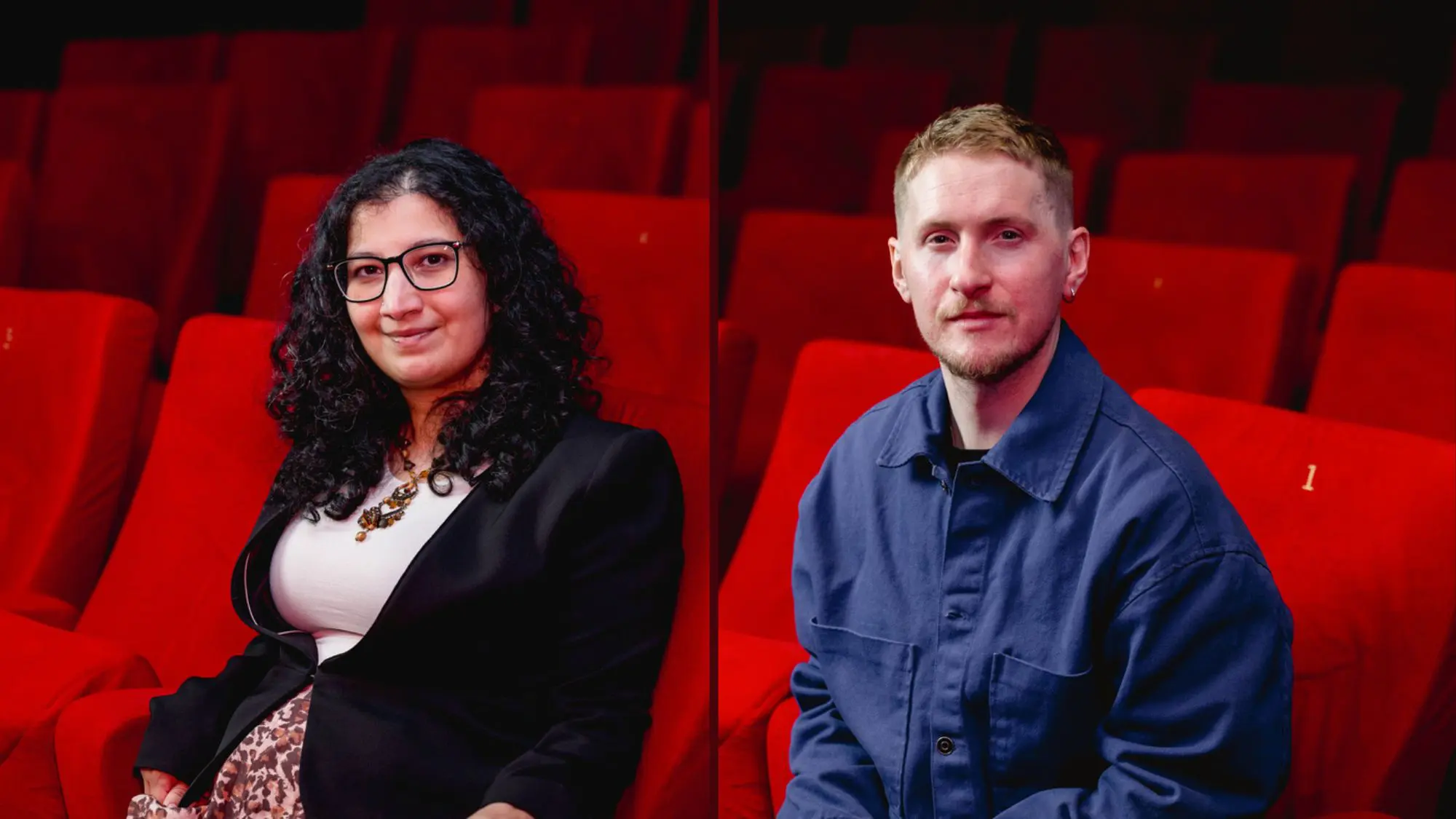
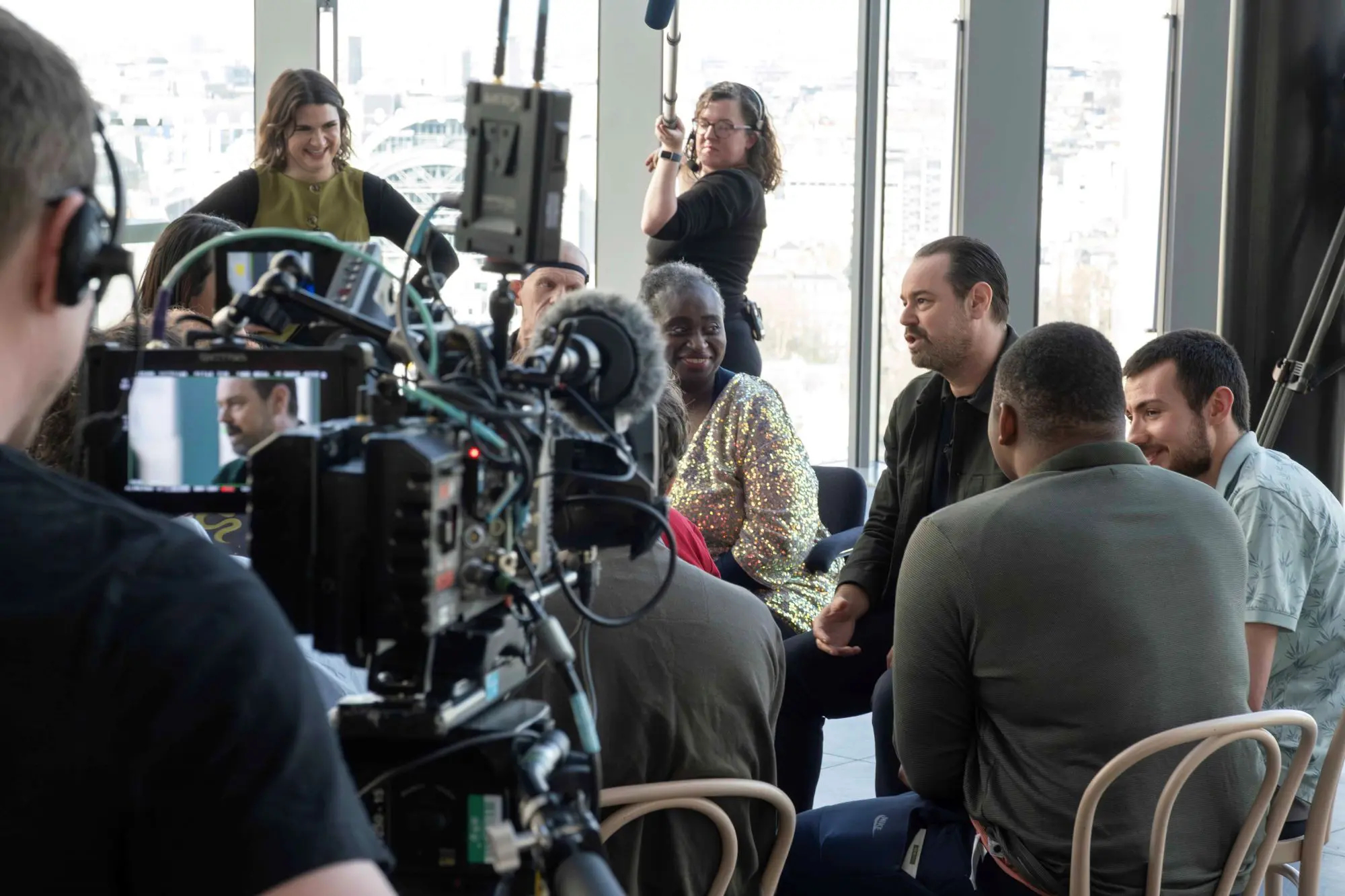
Join makeup artists Jan Sewell (Bohemian Rhapsody), Nadia Stacey (The Favourite), Josh Weston (Stan & Ollie), and Greg Cannom and Chris Gallaher (Vice) as they discuss the research that goes into recreating real people on screen, collaborating with different departments and the importance of keeping notes.

Capturing a real person

The films nominated for Makeup & Hair this year were unusually linked by their biographical storytelling. Sewell drew on the mass of archive footage, from photographs to videos, to recreate Queen’s iconic 80s looks, whereas Stacey had to take a different approach to capture the looks of The Favourite’s 18th century women. In her role, the makeup was more about capturing the era than specific people: “For me it was lots of paintings, we looked at lots of paintings and visited the palaces, that kind of thing, to get an essence of that look. Yorgos [Lanthimos, director of The Favourite], didn’t want to stick to anything too rigidly, so, I mean I’ve said this so many times but I feel like we researched that period a lot to make you believe you’re in that world, but I could be a bit freer with that really.”

Cannom and Gallagher worked with prosthetics to transform Christian Bale into Vice President Dick Chaney. While they aimed to portray the real figure as closely as possible, they also had to accept that getting a 100% isn’t possible, and shouldn’t be expected. Cannom explains: “When you’re doing famous people, like Lois Burwell said when she was doing Lincoln ‘at some point you have to stop looking at the actual photographs and you’ve just got to use your imagination and get it close.’ Because you’ll never get it exact, you’ve just got to take a lot of licence in doing it right and getting it to where it works.”

Sewell echoes this, sharing how the actor’s portrayal of the real person will heighten the makeup: “It’s getting the essence, isn’t it. If you try to make someone look exactly the same: well you can’t… And then you’ve got to let your actors do the rest.”

Testing, testing, 1, 2, 3

An important part of pre-production for makeup artists is testing the look, to make sure it lines up with the creatives’ vision for the character. Sewell explains: “If you’ve got a timeline or a story to tell, if you find the end-result, you have to know how far the actor wants to go, the director, the producer, and sometimes you can push it a bit. That’s what it’s for.” Cannom agrees, “you’ve got to test.”

Keeping it consistent

How do the makeup artists keep up continuity across the film? Gallagher stresses the importance of taking “lots of notes and photos.” This can be especially challenging when a character is aging over the course of the film, but Cannom discusses his method: “I do very extreme notes on each makeup and we take a lot of photographs, just matching up age spots every day is such a hassle…” He makes notes on colour and age spots, and casts a sharp eye across the continuity when finally getting to watch the finished film, joking: “When I first watch a movie like Vice I don’t see the movie, I’m just staring at the makeup, and I every scene I look at the hands, the age spots and that they match, I just concentrate on that, I have to see it a second time to enjoy the movie!”

  • This session was supported by Lancôme.