Lessons in building a portfolio career

Posted: 16 Jul 2026

The working world has changed and so has the way many of us approach it. For those in the screen industries, the rise of the portfolio career where you can deploy your unique skills to roles across a range of sectors can be a way to pursue different opportunities and provide more security through diversifying your skills.

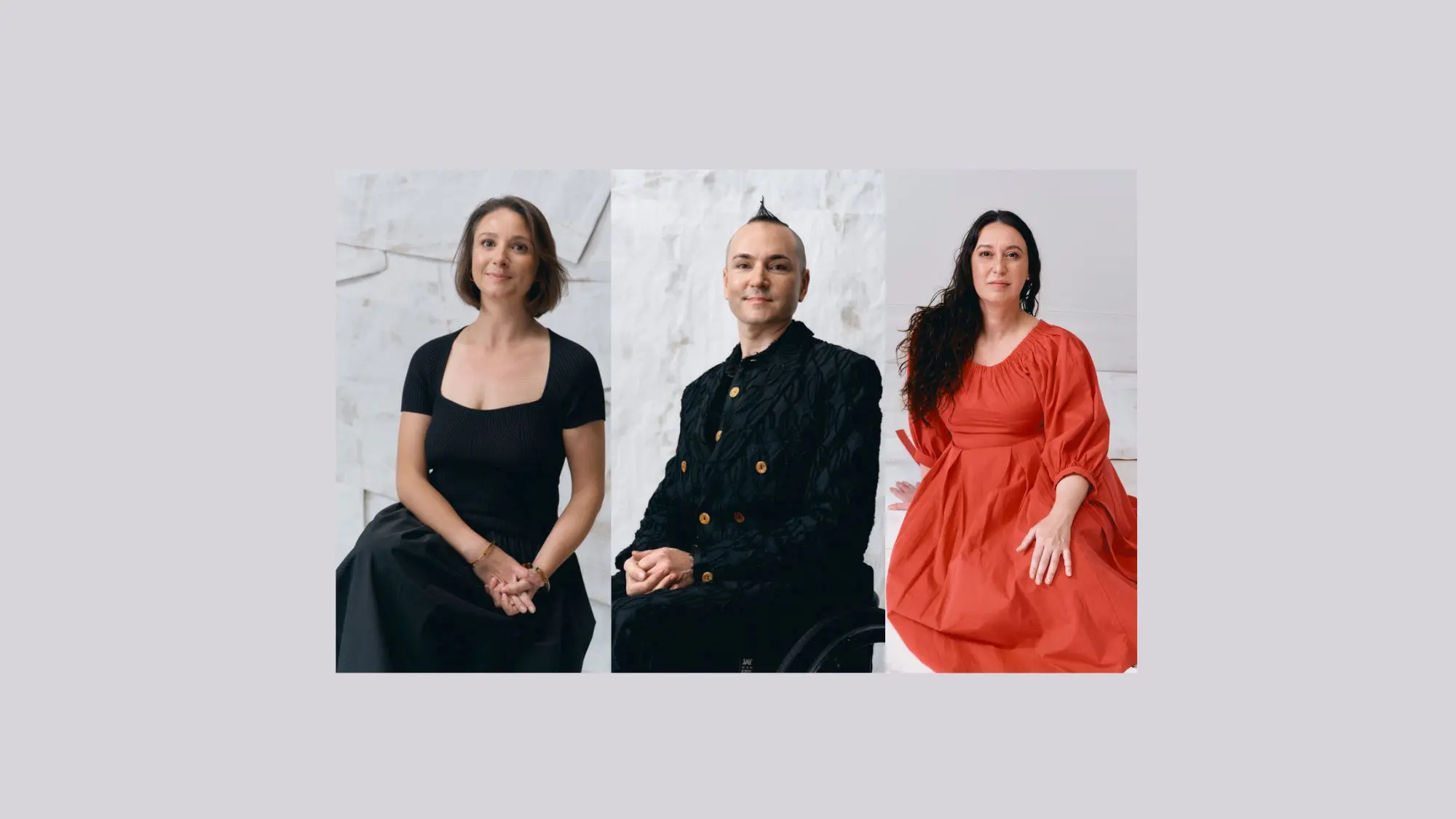
As part of BAFTA Connect’s year-round programme of events, four creatives gathered at BAFTA 195 Piccadilly to share how they are building successful portfolio careers and the lessons they’re learning along the way.

The art of transitioning

Learning to diversify in today’s world clearly has advantages and as our panel shared it can also be an opportunity to pursue a range of different interests. With Vincent Aupetit, creative director and visualisation supervisor at Framestore, sharing that he drew on his specialty as an animator, as well as his passion for film, to transition careers from games character animation to film.

Talking about how he learnt “hand drawn animation first – pen and paper the old school way, then 3D”, Aupetit highlights how bringing his skills and passion together was key to his career success.

He says: “I wanted to go into animation, but I loved the movies…I was really into cameras, and how shots were put together. I wasn’t just interested in one shot, but all the shots around it and the edit in general… I think that’s what helped me make the transition. Even in games I get in charge of the cinematics very quickly. That was my thing, cameras and cuts and things like that… I was an animator but with that specificity.”

Embracing different platforms

An openness to trying new platforms and finding ways to use them to reach audiences and grow opportunities to tell stories can also be extremely important when building a portfolio career. This has been a vital element that has shaped self-described “platform agnostic” writer and director Nosa Eke’s work. “I didn’t know what it was when I started, I guess I just had a lot of interests… one thing about me is I love to take a course… I was just picking up skills that I would be able to use”, she says.

Eke reflects: “[It was about] realising that all these skills feed into each other… Because I didn’t have any necessary contacts in this realm, I was using YouTube but, I was also like… could I use Instagram to tell a story?”

Eke admits asking herself: “What would that look like if I told a story through photos on Instagram and used the geolocative tags? That’s actually more interesting to me because it doesn’t feel like anyone has done that yet, and how does that relate to everything I already know. So, picking up all these sorts of skills and hopping into different platforms because I just thought it was fun, not that necessarily anyone was going to watch it, and then to my surprise they did. [It was about] feeding my interests and realising that maybe that is my USP (unique selling point).”

Diversifying your approach

Building a portfolio career means diversifying your approach to finding work. Film and TV development executive and script editor Kellye Carnahan says she seeks out opportunities that are “not only interesting to me, but where I feel my skillset lies, where I think I can add value to an organisation or a project”. She admits it’s instinctual – reflecting on her own portfolio career she says “It’s been both by design and a bit by accident”.

So how would she describe herself now? She says: “I am a creative who works in the screen industries – that’s the sort of umbrella that I see myself sitting under. Within that, I have figured out what my personal narrative is – what specific things I bring to the table that are different than another development executive, what I can add to the conversation that is specific to me, whether I’m working directly with a writer on one project or with a producer across a slate of projects.”

Learning to self-brand

Having a multifaceted career means having to learn how to market yourself. As Derren Lawford, executive producer and creative consultant shares, self-branding is a vital part of this process and it’s your chance to make yourself stand out.

Lawford says he started as a journalist then pitched himself as a showbiz reporter to secure work, making contacts in the process that led to opportunities including presenting. He shares: “I’ve tended to work in places that are launching stuff… and when you launch new services you have a blank sheet of paper and also people will give you more opportunities to try new things, so you end up picking up new skills along the way.”

But what do you do once you have so many wide-ranging experiences to pick from? How do you explain them all when pitching for work? This is where the self-branding comes into play. Lawford says: “I think you have to be realistic about the fact that although we are in a creative industry there are people we are working for – or trying to work for – that need a clear picture of what you can bring – so you have to make it really clear what your role would be in that process…I basically have to reimagine and reconfigure myself very specifically for each opportunity.”

One example Lawford uses is: “So, say you produce festivals, that means, you produce projects and as a script writer you produce material… if [in] those three things there is a through line, there is a particular type of thing you like to produce, then you could say I’m passionate about producing and showcasing XYZ. And the follow up question might be ‘how do you do that?’,[and you can say] ‘well, actually funny you ask, I do it this way, I do it that way and I do it this way.’”

Takeaways

  • Think about what your skills are and be open minded about where else these skills can fit
  • The industry is constantly changing and will never stop changing– embrace, pivot and try new avenues to tell the stories you want to tell
  • Know who you are and learn how to adapt within that
  • Don’t be afraid to make your own IP and USP

What is BAFTA Connect?

BAFTA Connect membership is part of BAFTA’s charitable mission to support emerging and mid-level creatives working across the film, games and television industries. Offering discounted membership for up to five years, BAFTA Connect champions and inspires the next generation of creative talent. Applications are currently closed but you can register your interest to be the first to find out when it reopens.