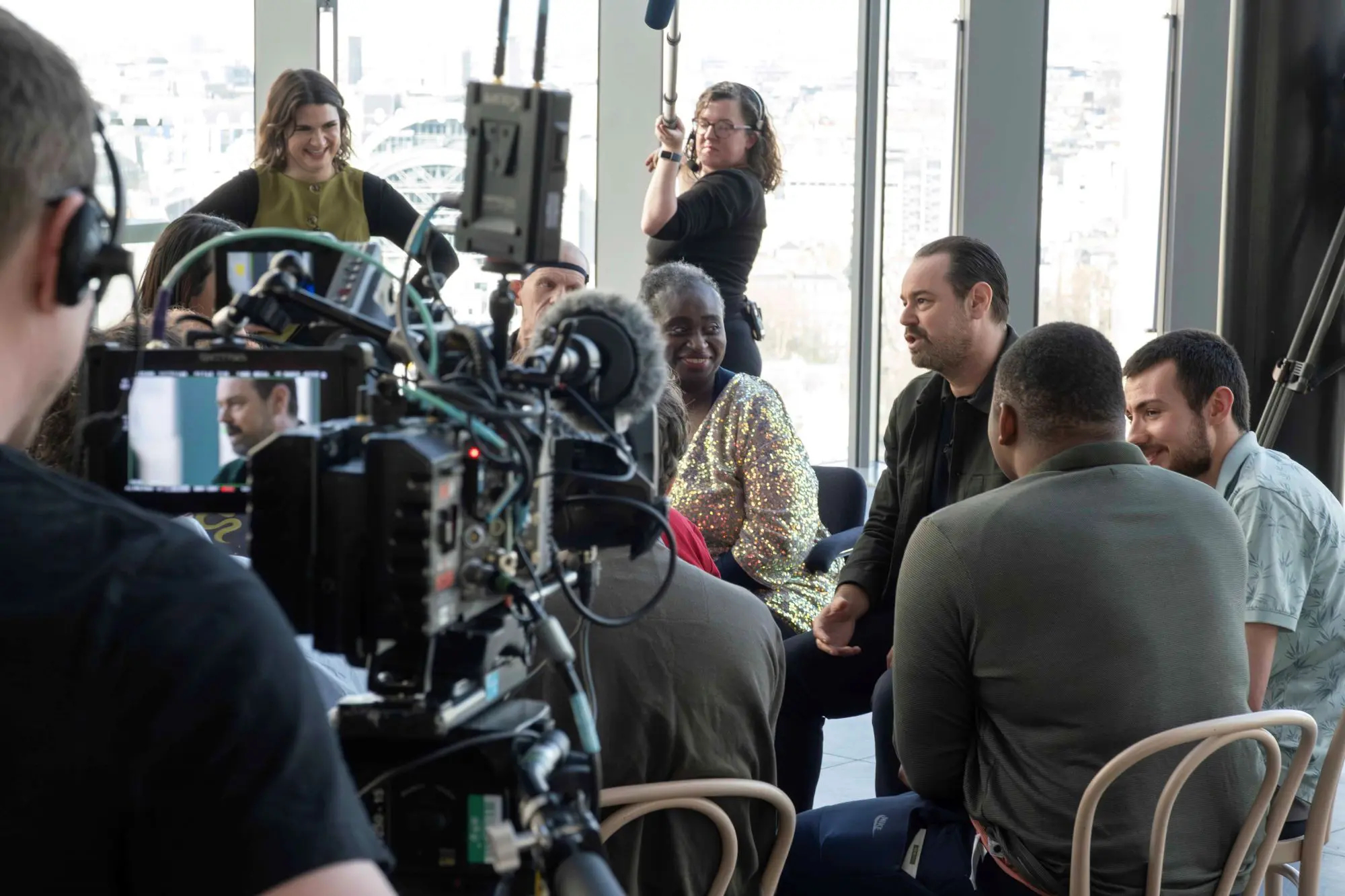
Talking about costume design: BAFTA sessions 2019

Posted: 26 Feb 2019

Costumes are at the heart of films: they can transport the audience to the story’s setting and help the actor get into character.

Here, BAFTA-nominated Costume Designers Julian Day (Bohemian Rhapsody), Mary Zophres (The Ballad of Buster Scruggs), Alexandra Byrne (Mary Queen of Scots) and Sandy Powell (The Favourite and Mary Poppins Returns) discuss their working relationship with actors and directors, to get this process right.

Making it modern

The intricate and ornate costumes of period films are often accompanied by corsets and unfamiliar patterns. But, you may be surprised to hear experts find designing for films set in the present day can be even more difficult. Powell admits: “I find the 20th century harder to do than [period films].” With Byrne agreeing: “It’s more difficult to get right. I think you have the opportunity to really hit the nail, but I think it’s harder.”

So, why are modern costumes so challenging? Powell reflects that perhaps it’s that modern clothes appear familiar to the audience: “It doesn’t get recognised as something that’s been designed because people think it’s just clothes.”

Day meanwhile, explains sometimes an outfit that appears simple to the audience can take the most work. He described jeans as especially challenging: “finding the right jeans for the right person is so difficult, or t-shirts. The simplest things can be the most difficult.” And even when a costume designer finds the perfect shape and style of jean, it’s challenging to give them an authentic, aged fit. However, Zophres shares a tip that surprised even the panel: “you have to put them in water and have them sleep in them overnight… that’s what we did on No Country for Old Men with Josh Brolin.”

Developing through trial & error

There’s a lot of discussions with the film’s creative team that prepare costume designer for creating the looks. Byrne debunks a common misconception by explaining: “I think a lot of people think that as costume designers, we walk into the room with this incredible creation and go ‘here you are, put it on’ and it’s just not like that.”

Day shares how getting the costumes right can be a long process: “You can have so many fittings to get it exactly right… You sometimes have to experiment, and you do get things wrong.” So, as a costume designer, it’s important to be flexible and be able to act on feedback from the actors wearing the costumes. Day illustrates this by giving the example of how he had to make last-minute alterations to the Freddie Mercury vests worn by actor Rami Malek in Bohemian Rhapsody. He says: “I did it because it made Rami feel comfortable and I think that’s what we could all say, it’s about making the actors feel comfortable in what they’re wearing.”

Similarly, Zophres explains one of the key responsibilities of her job is “working with the actors and making sure the actors feel like they are in their character”. So, it’s important for costume designers to build a relationship with the actors they’re fitting and understand their methods.

Crafting a director's vision

Alongside the actors, the main person the costume designer works with is the director. This is essential as it’s important that their work fits their vision.

“The director is the person you’re working for and it’s our job to help create their vision. Different directors have different amounts of visual awareness, shall we say. Some directors know about clothes and are interested in clothes and can be really specific. Others will say ‘I want the characters to feel like this’, or they might want a particular colour somewhere and leave it completely up to you. It’s totally different, every job is completely different, but you work closely with them to make sure that what you’re doing they like and that it works with the vision they have for the film,” says Powell.

But Byrne cautions that sometimes figuring out what the director is envisioning might take some work: “It might be so much in their head that they don’t know how to articulate it, so sometimes you’re quite a detective in terms of getting to understand what they want to say.” To achieve this, Powell advises asking the director for visual references: “Usually the first thing I ask a director is ‘do they have any visual images to show me?’ It doesn’t have to be clothes, [it can be] anything.”

Zophres also echoes the importance of working with references, though notes they can vary: “it is different with every director that you work with, and sometimes it’s even paintings. It’s literature, it’s illustration, it’s smells – I’ve got that as a direction, ‘it should smell like he’s, you know, got some fresh meat on him’. It’s interesting how something specific, whether it’s a drawing or a film, can transport you and take you to what you need.”

*This original session was presented with Swarovski.

For more interviews from the worlds of film, games and TV, check out our stories section.