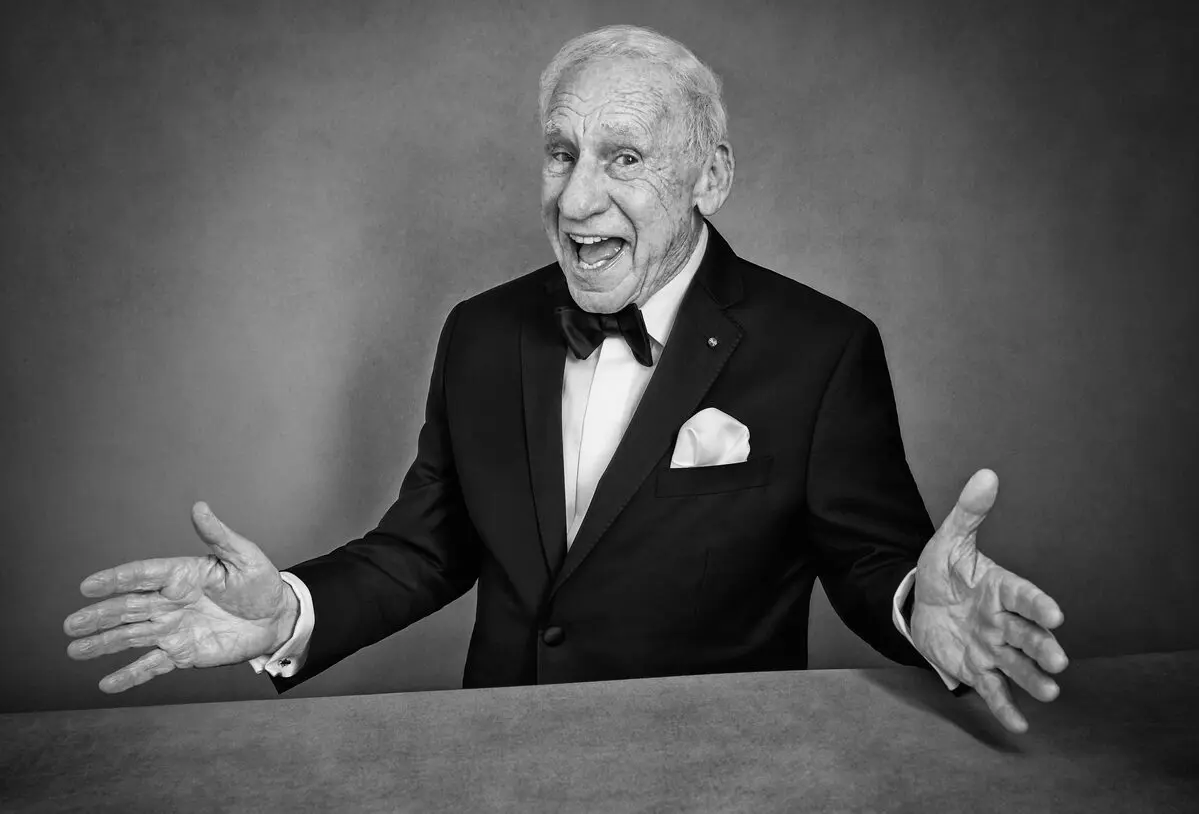
Documentary tips with Alex Gibney

Posted: 22 Jul 2014

Want to be a documentary filmmaker? Hear from Alex Gibney, the producer, director and writer of The Armstrong Lie, as he offers top tips for newcomers to the industry, including the importance of learning how to raise money and why you sometimes need to let the material lead the narrative.

DOCUMENTARY STORYTELLING

Being a documentarian, you may expect to have free rein to choose your subject, but Gibney shares that he needs to be flexible about what he films, revealing that he doesn’t “always choose my subjects, sometimes they’re chosen for me.” It’s important for him to have a “human story” attached to the project, saying: “a lot of people come to me with issues… to me it’s about human stories, so what is the story?” He seeks out projects that audiences would be drawn to because of a powerful story, rather than a specific issue.

Storytelling is at the heart of Gibney’s creative process, as he explains the way he approaches a documentary is steered by its story. He says: “for me, it’s all about the story and then trying to come up with a style that seems to suit the telling of that story. There are other filmmakers who feel strongly that they have a personal style and they impose that on every film that they do. I don’t feel that way. I feel that for every story, you should find a different kind of style based on what that story is.”

FINANCING THE FILM

The top piece of advice Gibney offers to documentary filmmakers starting out is to “keep your overhead low, learn how to raise money and learn how to take care of money.” His advice concerns finance rather than creative filmmaking because “most people can learn how to make good artistic films by studying other films and practicing the craft over and over again. But you don’t get the chance to do that unless you figure out the other stuff.”

Financing a film can be an overwhelming task, and Gibney shares that he’s raised money in different ways: “sometimes a broadcaster comes in, or a group of broadcasters. Sometimes that’s complemented by investors, equity partners, sometimes grants come into play. You have to look at each film and coldly and rationally assess its capacity to be funded and who’s going to be interested in helping you fund it.”

His key piece of advice is target people and institutions who already have an established interested in your film’s subject, because it’s important to “think about who would be particularly interested to see your film and why they might be interested then in funding it.”

He also encourages documentary producers to be realistic, advising you to “have to look at the subject and be honest, and think well, is this a subject for which I could raise a lot of money or not? If not, maybe you find a more inexpensive way of producing the film.”
BEING FLEXIBLE

Being a documentary filmmaker, it’s important to be adaptable and flexible with your creative vision. Gibney explains: “I think it’s important, this is just me personally, to think about the narrative structure like you would a movie script. But then, uniquely to documentary, be willing to throw it out based on fantastic material you may get or surprises you may encounter because reality is so exciting.”

He encourages budding documentarians to “learn to know that you don’t always know where the film is going to go and you’ll find out eventually. But if you both respect the material and try to find the right balance between the material and what you want to say, you’ll get there in the end.”

For more inspiring interviews from the worlds of film, games and TV, check out our resources section.