
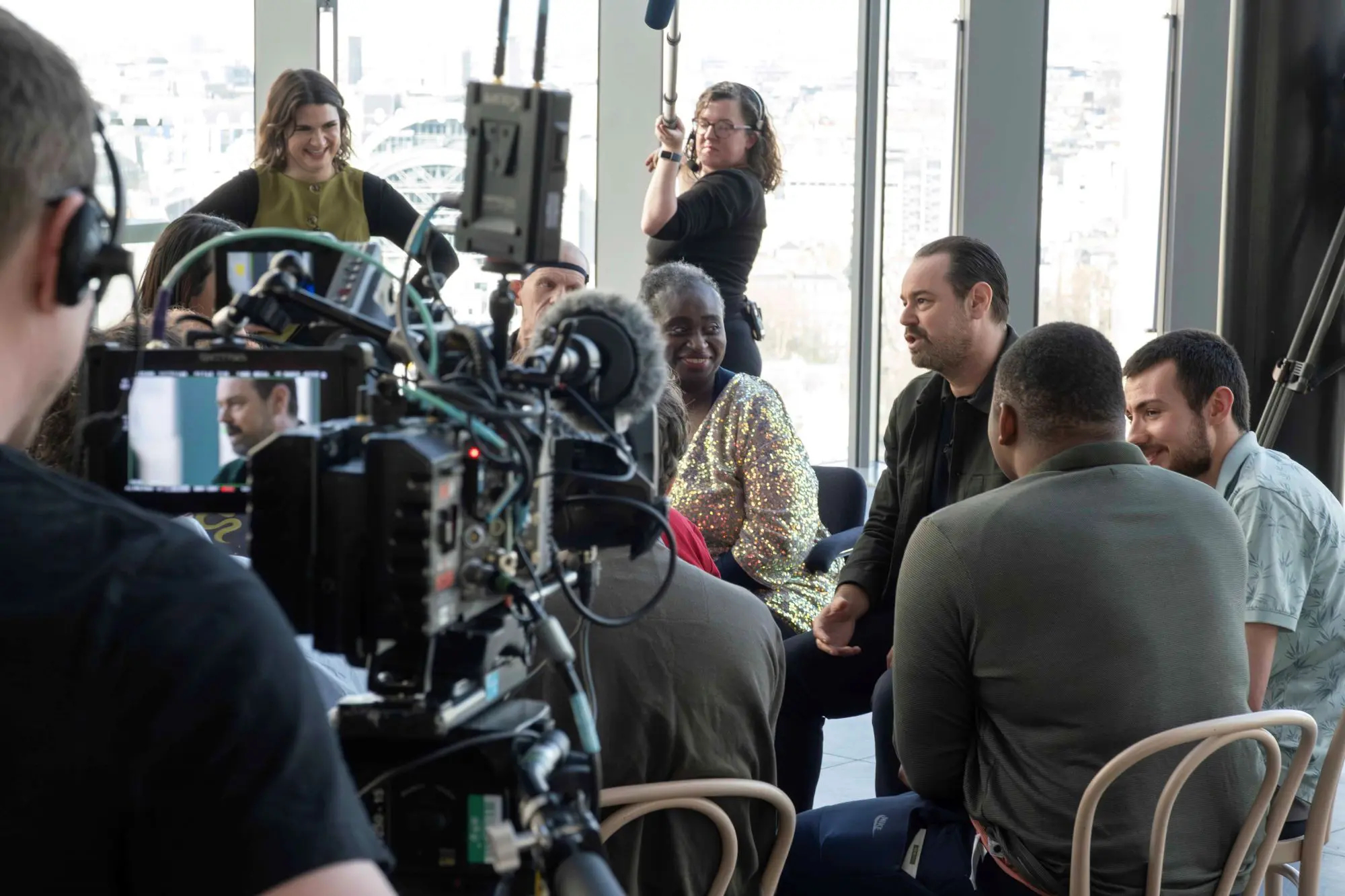

Ask the Screenwriters

Posted: 19 Nov 2015

Responsible for writing and developing characters, setting and plot, screenwriters are at the heart of a film or TV programme’s creative production. Interested in becoming a screenwriter and want to find out what it takes?

Hear from some of film and TV’s top screenwriters: Nick Hornby (An Education, Brooklyn), Beau Willimon (House of Cards), Nancy Meyers (Somethings’s Gotta Give, The Intern), Andrew Bovell (Strictly Ballroom, A Most Wanted Man) and Jimmy McGovern (Accused, Banished), as they reveal their writing process and share their top tips.

HOW MANY DRAFTS DOES IT TAKE TO WRITE A SCRIPT?

Bovell shares that he looks at the process as stages more than distinct drafts when it comes to the question of how many drafts it takes to write a screenplay. He starts with “the early stage, the first or second draft is always just about trying to discover what the story is: what is this? [By] the second stage, which can be a couple of drafts, you know your story and now it’s about building it and layering it and getting all the possible texture you can out of that story. Then the third stage is a distillation, you’re pulling, you’re editing… a screenplay is a bit like a poem, you’re trying to express the most meaning possible with as few words as you can.”

Similarly, McGovern answers that the number of drafts aren’t clear because the script is always changing: “It doesn’t matter about the number of drafts, you just do the very best you can and a script is never finished anyway because even when they’re shooting you can be changing it.”

THE WRITING PROCESS

Screenwriters all have different ways of approaching the task. As Willimon says, “I know tons of writers and they all have different processes.” He shares that they’re all united by putting hard work in because “writing, more than anything is about putting in the hours.”

Meanwhile, Meyers shares she loves “research. I do a lot of it and I’ll do it all the time. I used to, in the old days I’d go to the library and I’d have to take meetings with people, now mostly I do it online… the best ideas come out of research, the things you couldn’t imagine.”

For Bovell, outlining the story is an important step, so he will usually “write a treatment which is essentially the story told in prose…” He does this to learn about where the story is heading and its structure, as he explains, “I try not to start writing until I understand the structure, the beginning middle and end. I need to know how the story finishes to know what I’m working towards.

Hornby says: “Make sure that everybody in the cast has something to do. The quality of your cast increases exponentially if everyone is given something to do. Minor characters, the leads… it’s not just one person that has the journey or good lines, just to make it as lively as possible.” Speaking of liveliness, Meyer encourages writers to grab the audience and draw them in. Her top piece of advice “comes from Billy Wilder: Don’t be boring. He says grab the audience by the lapels and don’t let go and I think about that a lot, no one wants to be lulled.”

Bovell also adds it’s important to write about what you care about. He encourages budding screenwriters to “have courage. Write about things that matter to you, because if they matter to you they’re likely to matter to an audience.”

For more inspiring Q&As from the worlds of film, games and TV, check out our resources section.