Sparking sustainability in the creative sectors

Posted: 30 Jun 2026

Sustainability in the film, games and TV industry is a hot topic. And with the UK Government’s Clean Power 2030 Action Plan deadline fast approaching it’s one that the creative industries, like many others, has been striving towards quickly.

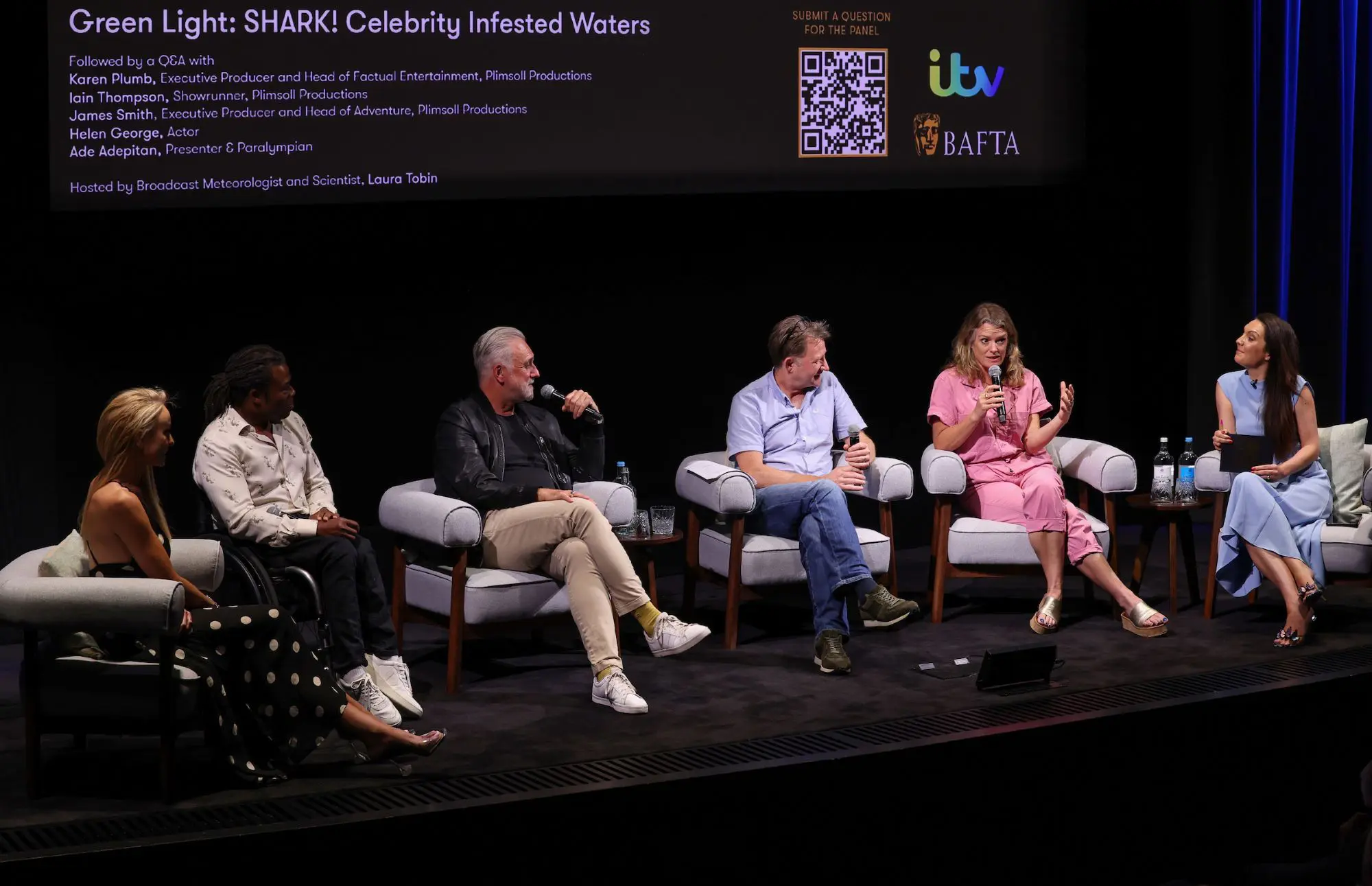
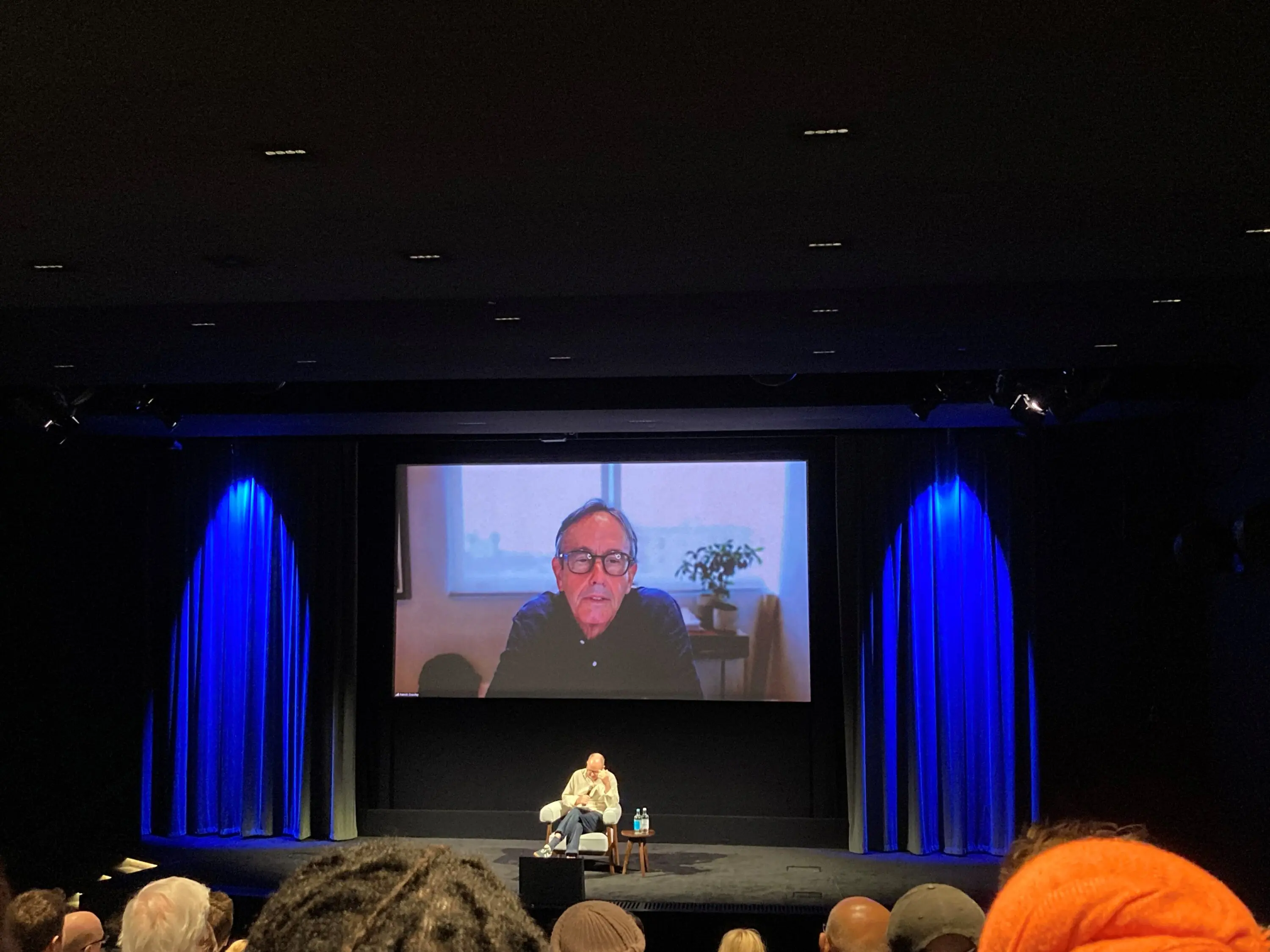
Helping the industry turn the power of storytelling into measurable climate action is BAFTA Albert. Last year BAFTA Albert’s team ran a Green Light season shining a spotlight on the topic and showing how productions can have impact behind the scenes, on screen and beyond. Now as part of a recent series of talks on climate action at London’s 2026 Media Production & Technology Show they have convened a panel to share ideas on sparking action in light of the industry’s commitment to SPARK: Clean Temporary Power by 2030.

How is the industry tackling sustainability?

April Sotomayor, BAFTA Albert’s Head of Industry Sustainability, explains that according to Albert’s 2024 toolkit data the UK’s screen industry burned “at least three million litres of diesel in generators in that year.” That is “a lot of diesel and a lot of that is wasted power” but as she says: “nevertheless [there is] still progress happening. Which is a great indicator that this is a key area that we can tackle and we can get traction quickly in order to meet this 2030 goal.”

And Beth Fairweather-Bloud, Sky’s Sustainable Innovations Manager shares how this looks in practice at her organisation. She says: “The majority of carbon emissions in production was mobile power and transport. Our goal is to look at where we can really pinpoint good technology to reduce that carbon emission across all of our productions.”

Encouraging others to try new things

One thing the panel experts all agreed on when talking about action plans for clean power by 2030 was the collective power of encouraging the adoption of new ideas.

Mandy Cayford, Creative Industry Sustainability Advisor highlights there has been “such an immense change in the way culture is on production these days” but urges there is an education piece needed if we want to continue encouraging adoption of new practice. She says: “they [teams] really need to understand it…help people upskill, educate and let them know what is possible.” She also adds: “I don’t believe for one second anybody wants to stay working with the older tech, they want to work with cleaner tech both from the ease of use, emissions themselves and the wellbeing.”

Whilst Katherine Nash, who leads the sustainability action plan and strategy as Head of Studios at Bristol’s The Bottle Yard Studio, urges creatives to be bolder in leading the charge for change. She says: “Maybe from the studio perspective we could be stronger, bolder, more insistent on those behaviours being actually adopted in the facilities we are renting.” Highlighting that; “I think for us it’s about embedding a culture in the studio… it’s just default that you work sustainably [and] the team is absolutely bought in to incentivise any production that comes, to enable, promote [and] signpost to sustainable workflows.”

Start conversations about clean technology early

Another piece of advice those working at the forefront of production share, is the importance of getting conversations about sustainability, and the use of clean technology, up and running from the very beginning.

Talking about shifting away from reliance on diesel generators and towards sustainable batteries, Fairweather-Bloud says: “[The] two main things is having the conversation early enough and trying to tackle the unconscious bias towards diesel generators because that’s just what people default to.”

Meanwhile Jono O’Reilly, battery power solution provider NXTGENbps’ Founder and managing director, suggests it is about finding a way “to bring the cost down to such a level that it is easier to reach the battery that you need” as well as increasing “the understanding of batteries” from the start.

And Cayford advises finding the people who will help drive change through and making sure they have a role in any planning. Her tip “If there is somebody who is actually driving sustainability at the studios, which most studios have, involve them in that clean power planning so that they can actually be empowered to enforce more clean tech.”

Where does this leave us?

In the words of Sotomayor: “Everybody needs to be on the same page, be a bit bolder. No diesel lets figure out other solutions”

*The suggestions shared in this article come from the BAFTA Albert led ‘SPARK: Action Plans for Clean Power by 2030’ panel at MPTS 2026 in May.

Who are BAFTA ALBERT?

Backed by BAFTA’s creative DNA and cross-industry expertise, BAFTA Albert’s work supports and unites the film and TV community in making sustainable choices. Providing practical tools, clear standards, direct actions, and certification that recognises change, positive impact and progress.

Working with the UK’s screen community for more than 15 years, BAFTA Albert helps transform the power of exceptional storytelling into measurable climate action – behind the scenes, on set and on screen.