Cynthia Erivo on Acting – BAFTA sessions 2019

Posted: 26 Feb 2019

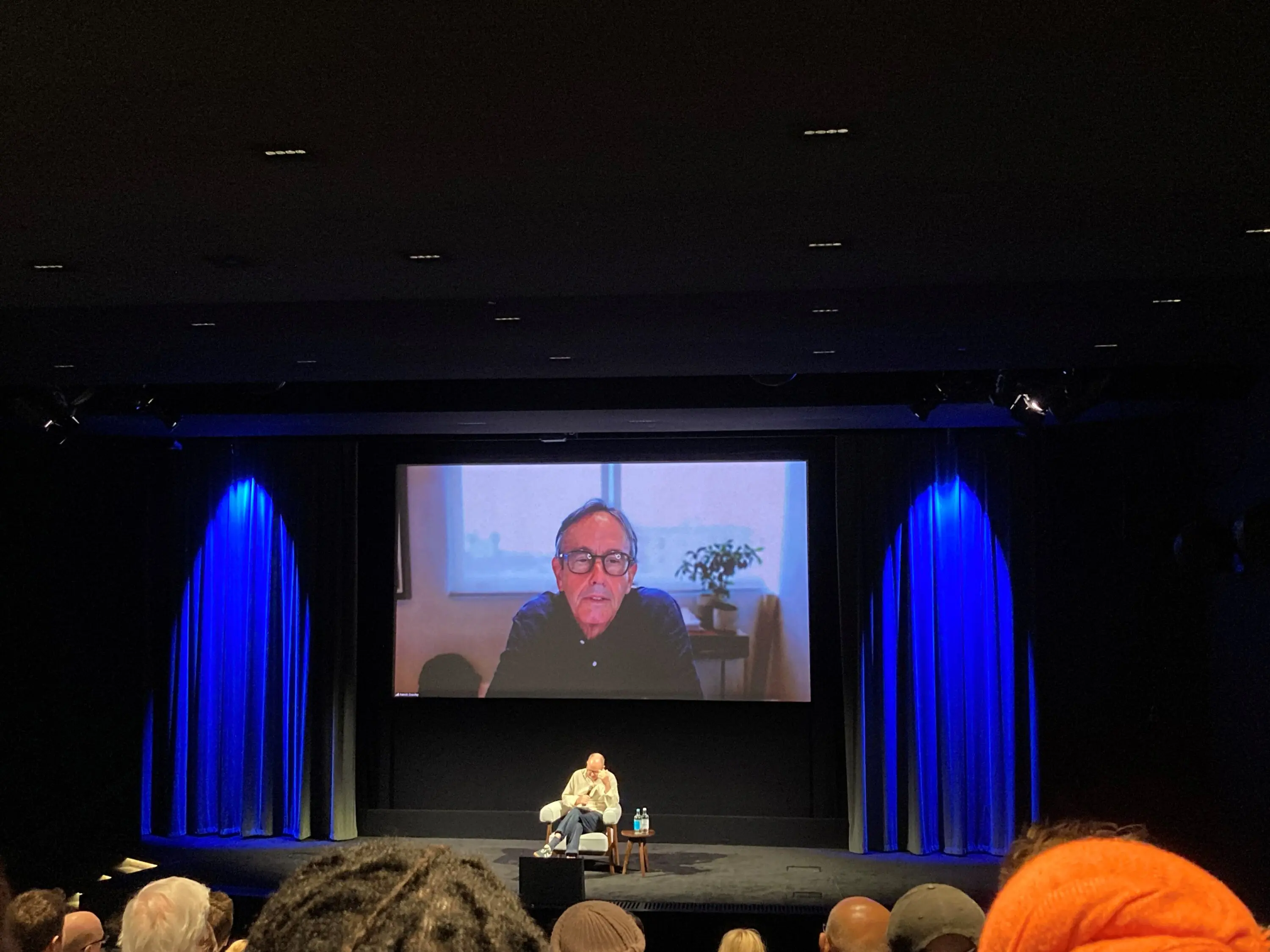
EE Rising Star nominee Cynthia Erivo has gone from strength to strength. Beginning her career in theatre after graduating from RADA, the British actor was cast in the UK premiere of the musical The Color Purple, a role she also performed on Broadway, winning a Tony Award. Since then, she has made the transition from theatre to film and starred in Widows, Bad Times at the El Royale and upcoming biographical film Harriet, in which she will play the titular role, abolitionist Harriet Tubman. Here, she speaks at BAFTA HQ about embracing your skills, getting used to filming many takes on a film set, and not being afraid to ask for help…

STORYTELLING THROUGH SONG

Erivo explains that performing on stage and screen are similar. Why? Because the most important thing in both environments is portraying an authentic character: “The aim of anything I do when it comes to character work, or anything whether it be theatre or film, is to tell the truth of the moment, tell the truth of the character, tell the truth of the story… If I root the character work and the work that I do in telling the truth, then I can’t go too far wrong, and that’s where I start from, that tends to be where I lead from.”

Storytelling is also at the heart of Erivo’s performances, whether she’s acting or singing. She says: “I’ve always considered myself both [a singer and an actor], nor more one or more the other. And I get asked that question a lot, ‘if I prefer singing, or if I prefer acting’ and I don’t prefer either one over the other, it’s just that I’m stubborn and like to run them alongside each other. So I try to make sure if I’m in a scene that I’m singing, the communication, the truth-telling and the storytelling doesn’t disappear when I’m singing a song because that’s useless to everyone. So I try to make sure that whatever I’m trying to say, whether it be with my eyes or the lilt in that note, that it’s still telling you a story and still communicating something to someone.”

GO FOR ANOTHER TAKE

A key difference with stage is there is only one chance each night to get it right, compared to filming many different takes. Was this challenging for Erivo to get to grips with when starting out in film? “I mean, the thing to keep in mind is that when you watch it, you [the audience] don’t know that there is 22 takes. So, I have to keep in mind that at take 15, if they pick take 15 and it is dry as heck, that’s what you see. So, I don’t want that for you, and I certainly don’t want that for me. I have to keep in my mind that whatever take they choose, I still want you to get something from it, so I make it interesting for myself… finding different stories to tell within the song, because a song is a story, it’s a narrative of sort”, she says.

JUST KEEP BREATHING

Erivo recalls that moving to New York to perform in the Broadway transfer of The Color Purple was an exciting but overwhelming opportunity. She remembers: “I was afraid of the unfamiliar and getting there took courage that I didn’t know I had.”

To people experiencing similar opportunities that are fraught with fear, she suggests: “Just let it happen, because if it’s not meant to happen it wouldn’t. I figured out that if I just, this is going to sound so cliché, but breathe into it. If I just breathe into it, when it got a bit crazy, breathe… and admitting when you need the help.” She also stresses reaching out where you can for support; whether it be friends, family or colleagues is very important. Erivo adds: “Being able to admit when you need the help is so capital in moving forward that if you don’t admit that, it can be detrimental.”

PLAY TO YOUR STRENGTHS

What advice does Erivo give to drama graduates hoping to get into the industry? Above anything, she recommends staying true to yourself. She said: “I am vehemently myself all of the time, so the thing I knew I had on my side was who I was… You can’t be afraid of the thing you’re really good at.”

She encourages young actors to play to their skills, and where possible to work with directors who will spotlight them. When filming Widows, director Steve McQueen, added scenes of physical strength to her character when he realised what she was capable of: “A lot of what was there was there because of what I could do. So, you know there’s a scene where I’m boxing, that came in after we started filming because he knew what I could do. The run, the way I run came in because he knew I could do it, so all of the physical things that came in are because I was already able to be that physical.”

For more interviews from the worlds of film, games and TV, check out our stories section.