Sparking change through storytelling

Posted: 25 Sep 2026

Storytelling helps us make sense of the world around us. It’s a powerful tool that can be used to shine a spotlight on the experiences of others and allows us to connect.

BAFTA Breakthrough Alex Thomas, director of Damilola: The Untold Story, is someone who understands the power care-driven storytelling can have. In the soon to be released BBC and iPlayer documentary Thomas focuses on the final 24 hours of the 10-year-old who died after being stabbed in Peckham on 27 November, 2000. Telling Damilola’s story with the help of those who knew him including his brother Tunde Taylor and childhood friends, siblings Grace and John Boyega.

Speaking at a special screening and panel event at BAFTA 195 Piccadilly, Thomas said: “Some of us think we know what happened but there’s so many details that we weren’t aware of and the big question for me was the why.”

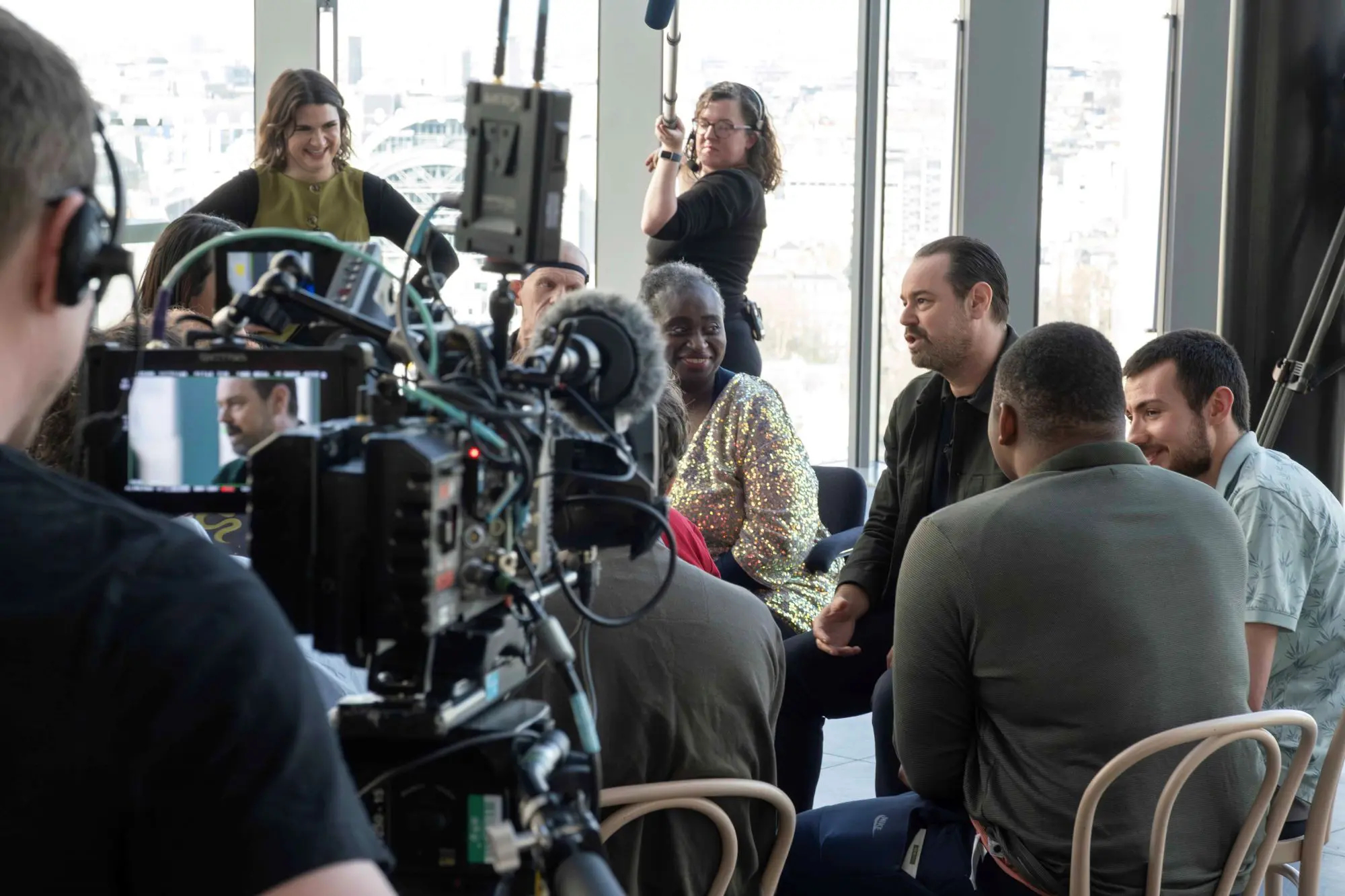
Here Thomas, and fellow panellists Tunde Taylor, Grace Boyega, John Boyega, and Dr Leroy Logan MBE, former superintendent met police and former chair of the Black Police Association who worked on the case, reflect on the importance of continuing to tell Damilola’s story 25 years on…

The human reality behind the headlines

Damilola’s death was one that shocked the nation and has had a lasting impact not just on those who knew him personally but also for the generation of young people growing up at the time. For all those involved, shining a light on the events surrounding the stabbing, including the social context, was essential.

In terms of how the documentary helps audiences better understand what happened Thomas explains: “I feel like we’re the first ones to try to attempt to explore that ecosystem of bullying and fear and this change in youth violence and look at the human cost of what it’s had for Grace and John, and Tunde and Leroy.”

For the Boyega siblings, actor and 2016’s EE Rising Star John and sister Grace, opening up about their experience as some of the last people to see Damilola alive, is an opportunity to hopefully inspire some positive impact to come from their friend’s death.

Illustrating the importance of storytelling on screen John says: “I guess it just felt like the right time to talk about the origin story of not only this case but a lot of people that were in that area. I think it was important for people to see what had happened and the effects of that situation.

“It [this new documentary] was packaged together really well, I believed in the intention, I think this is quite a positive film as well as it being informative, and I just wanted to support something that I feel like long term will have a positive impact.”

Grace adds: “It’s hard because you have to unlock stuff that you’ve kept closed for so many years. Just having to relive that whole experience has been a lot, but again like John said there is hope. There has been hope, especially with this documentary it shows that there is hope. Life is a choice – you can decide to go this way or go that way.”

Reaching a new generation

Stories that give people the space to talk about their experiences can help drive change by illuminating situations that may be out of the audience’s personal frame of reference. One thing Damilola: The Untold Story does is recreate a sense of the world the young boy lived in and help to add context for a new generation who may not have been alive when the fatal stabbing happened.

As director Thomas explains his aim is to help the audience get to know Damilola through the people and places that were in his life. He says: “I want them to know the people to feel like they can have a connection with them as well as the contributors like John and Grace and Tunde and bring that world alive. That Peckham estate, it’s no longer with us but it’s another character in the film and I really wanted it to be curated with the archive and sound design to bring that alive and make the audience feel like they know what it’s like to walk up those stairwells and passageways.”

While John reflects on the reality of growing up in the area – one where, as the documentary references, the increase in youth violence led to the death of many young people. He says: “I was directly impacted and effected by not just Damilola but some of the others we mentioned… and I came close to it myself a good few times, Grace came close to it herself, we grew up in a really interesting time. So, I just wanted people to see the journey and see several different paths that such an event can lead to, you know.”

A lasting legacy

In exploring the final 24 hours of Damilola’s life and spotlighting some of what followed, Thomas’ work highlights the lasting legacy of the 10-year-old and demonstrates how documentaries can play a positive role in creating societal change.

Former police superintendent Logan MBE, reflects: “Damilola’s case seemed to open the floodgates for a lot of gratuitous violence and it was a tough existence… 25 years later you’ll walk through there and it’s a lot more uplifting. But you know you can regenerate the buildings but if you don’t regenerate the people, give them a real sense of hope and aspiration and sense of mobility that they can strive and achieve their true potential then you’re really tinkering around the edges.” This need to address the social context is something Tunde highlights the Damilola Taylor Trust, set up in honour of his brother and which he is now chair of, aims to address by creating a lasting legacy. He says: “The trust has been coming out with activities supporting young people in local communities. As you’re aware this culture of youth violence still prevails today, and the trust through its various activities has always rolled out programmes helping young people to achieve their goals and be confident to do so. With this film as well I feel it will appeal to a new target of people. New young people who were not actually around when Damilola was born, they could actually watch the documentary and take positives from his life as well.”

While John adds that working on the documentary has given him space to reflect on the impact of Damilola’s legacy on himself too: “What this film has helped me with is [remembering] it’s always good to come back home, remember who you are, what grounds you and what the motivating factor for you to go to do what you did was in the first place… Peckham, as much as there was that negativity there I cannot help but highlight the people who got their bootstraps together and said I’m going to do what I can… Regardless of where you go remember your origin stories because it will guide you through anywhere really.”